US balloon compliance depends on whether the item is a children’s product, general-use product, toy or electronic kit. Importers should not rely on a factory’s generic statement without matching the exact SKU and required records.
“The supplier sent a test report in ten minutes. Our importer asked one question: which exact SKU does this report cover?”
That question can stop an order faster than a price increase. A PDF with the right logo is not the same thing as a compliance file that matches the product, age grading, material, warning, packaging and importer responsibility. When those pieces do not connect, the buyer is left doing detective work after production has already started.
FoilJoy treats compliance as part of product definition, not a document attached at the end. The practical goal is simple: make the tested configuration, label information and commercial SKU traceable to each other so the buyer can review the evidence before the carton is on the water.
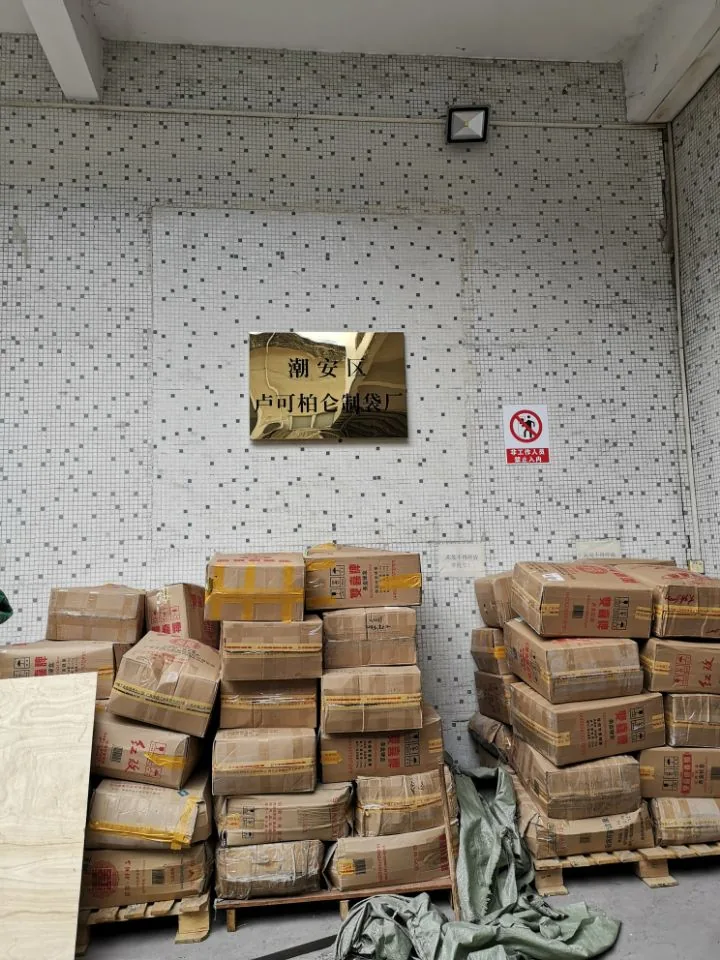
Classify the product, identify applicable CPSC rules and ASTM F963 sections, use an accepted laboratory where required, prepare the correct certificate, and approve balloon warnings, tracking labels and importer records before shipment.
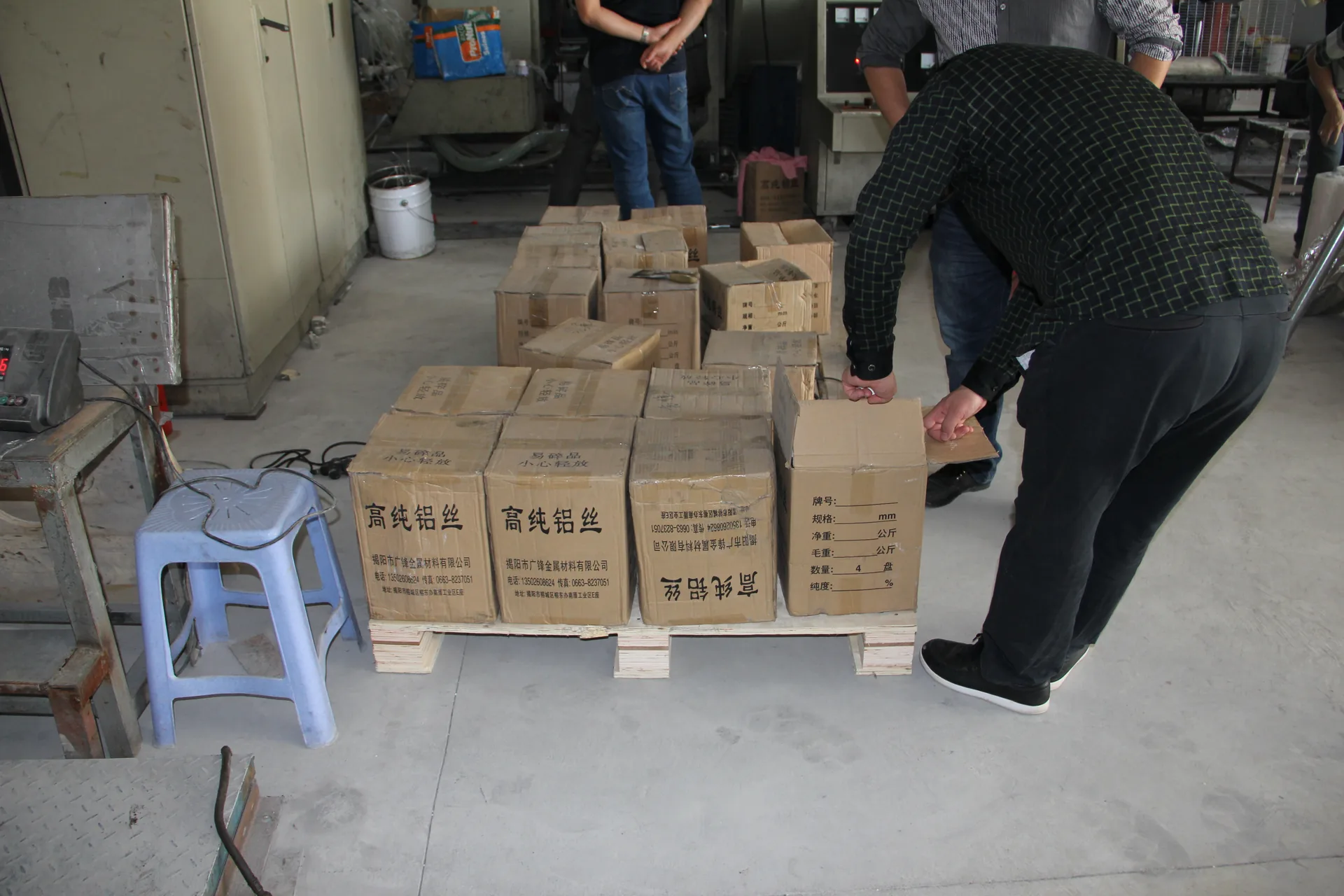
Do not place a generic ASTM or CPSC claim on every SKU. Changes to materials, accessories or electronics may change the applicable assessment.
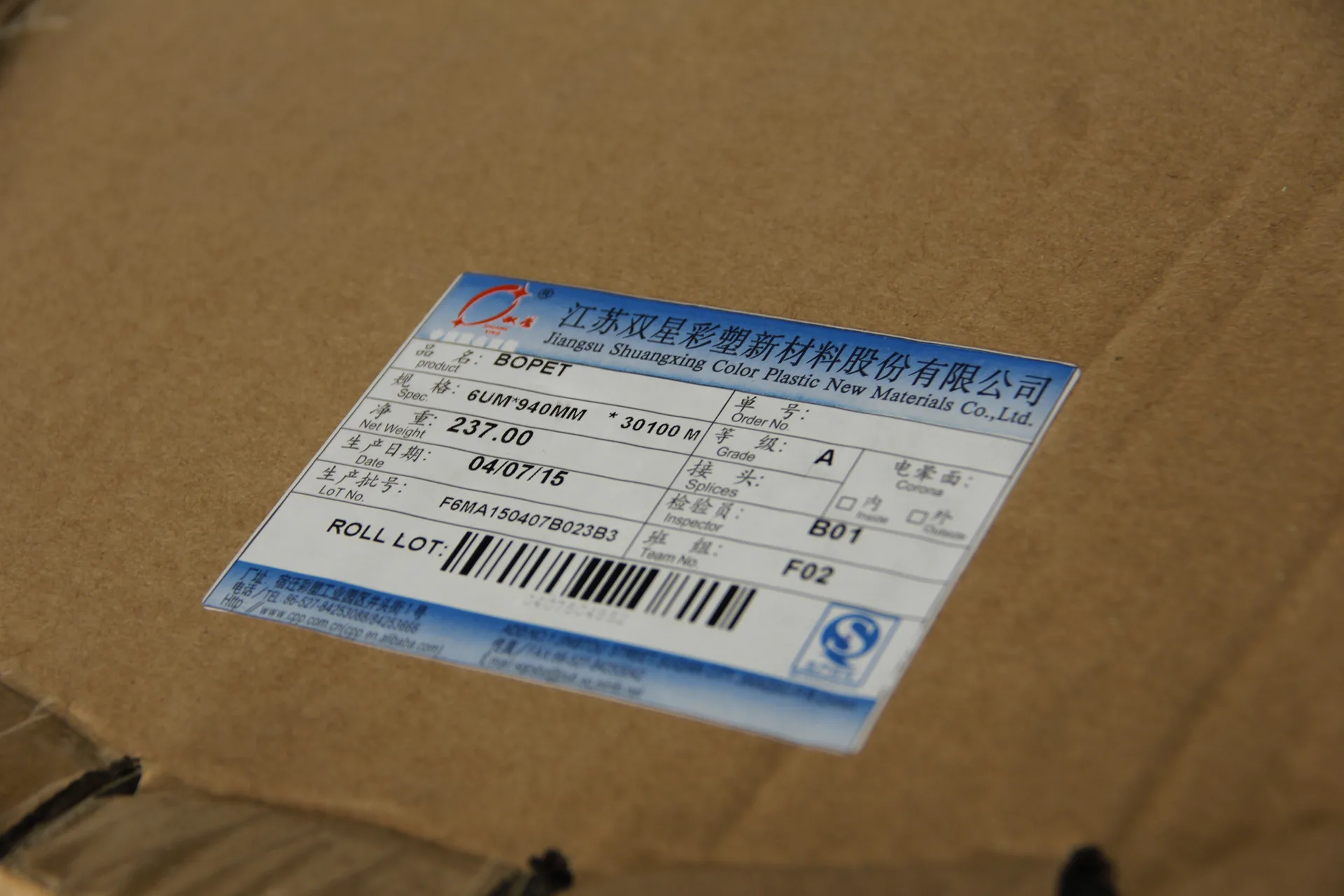
FoilJoy can supply product specifications, batch details and agreed manufacturing records; the US importer should confirm classification and certification responsibilities.
Related guides: quality checklist · packaging checklist · News hub. Review CPSC toy safety business guidance for primary guidance.
Send product, artwork, quantity per design, market, packaging and delivery requirements.
Relevant sections are incorporated into US mandatory toy requirements; confirm the current scope with CPSC.
The responsible manufacturer or importer issues the applicable certificate based on required testing.
No. Retail barcodes and CPSC tracking information serve different purposes.