private label balloon packaging turns a factory item into a controlled retail SKU. The pack must protect the balloon, communicate inflation and safety information, scan correctly and match the buyer’s shelf and carton systems.
“The balloon was approved in the first meeting. The packaging failed three departments before it reached the shelf.”
The product team liked the design. Then merchandising asked about the peg hole, compliance asked about warnings, operations asked about the barcode, and the warehouse asked why the master carton did not match the inner pack. None of those questions were about whether the balloon looked good.
This is why FoilJoy treats private-label packaging as a small retail system. Balloon, fold, bag, card, accessory, warning, barcode and carton all need to work together. We would rather solve those details on the sample table than let the buyer discover them after thousands of finished packs are already stacked in a warehouse.
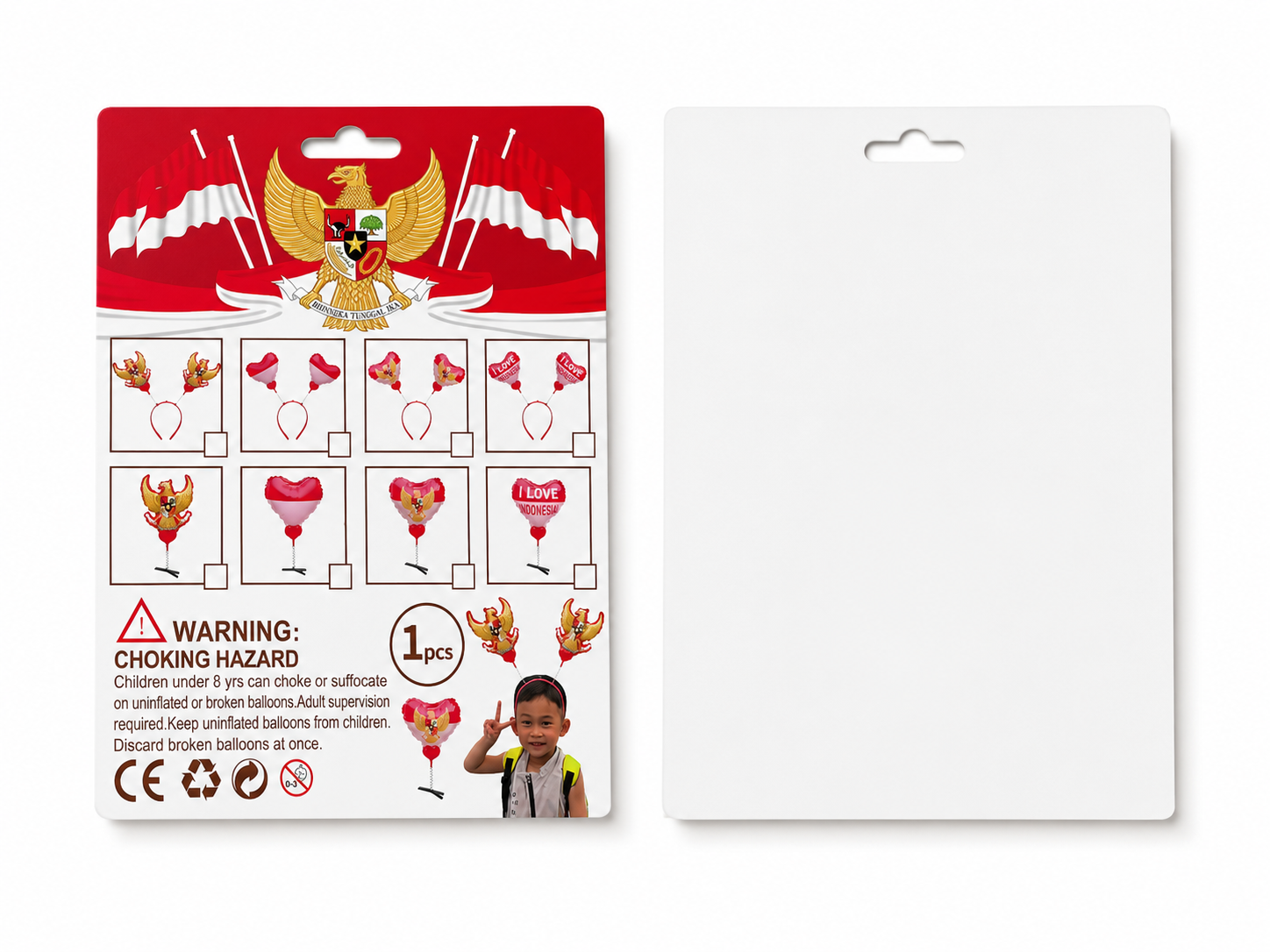
Approve the complete pack as a physical system: balloon fold, bag, card, artwork, barcode, warnings, straw or ribbon, seal, peg hole, lot data and master carton. Packaging MOQ is separate from balloon production MOQ.
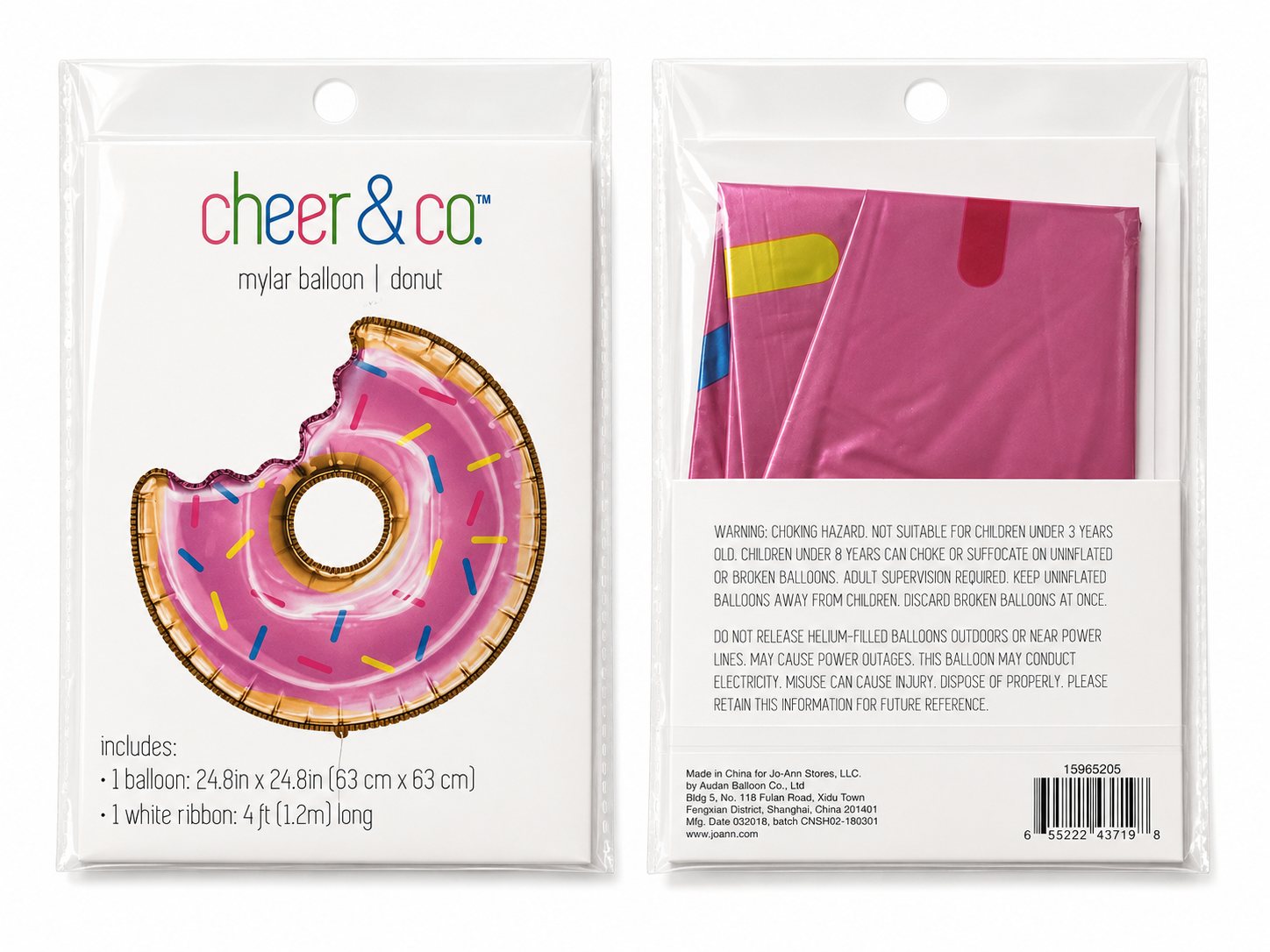
Late packaging decisions can delay shipment or create the wrong SKU-card match. Generic claims, unverified recycling statements and unreadable warnings create avoidable risk.
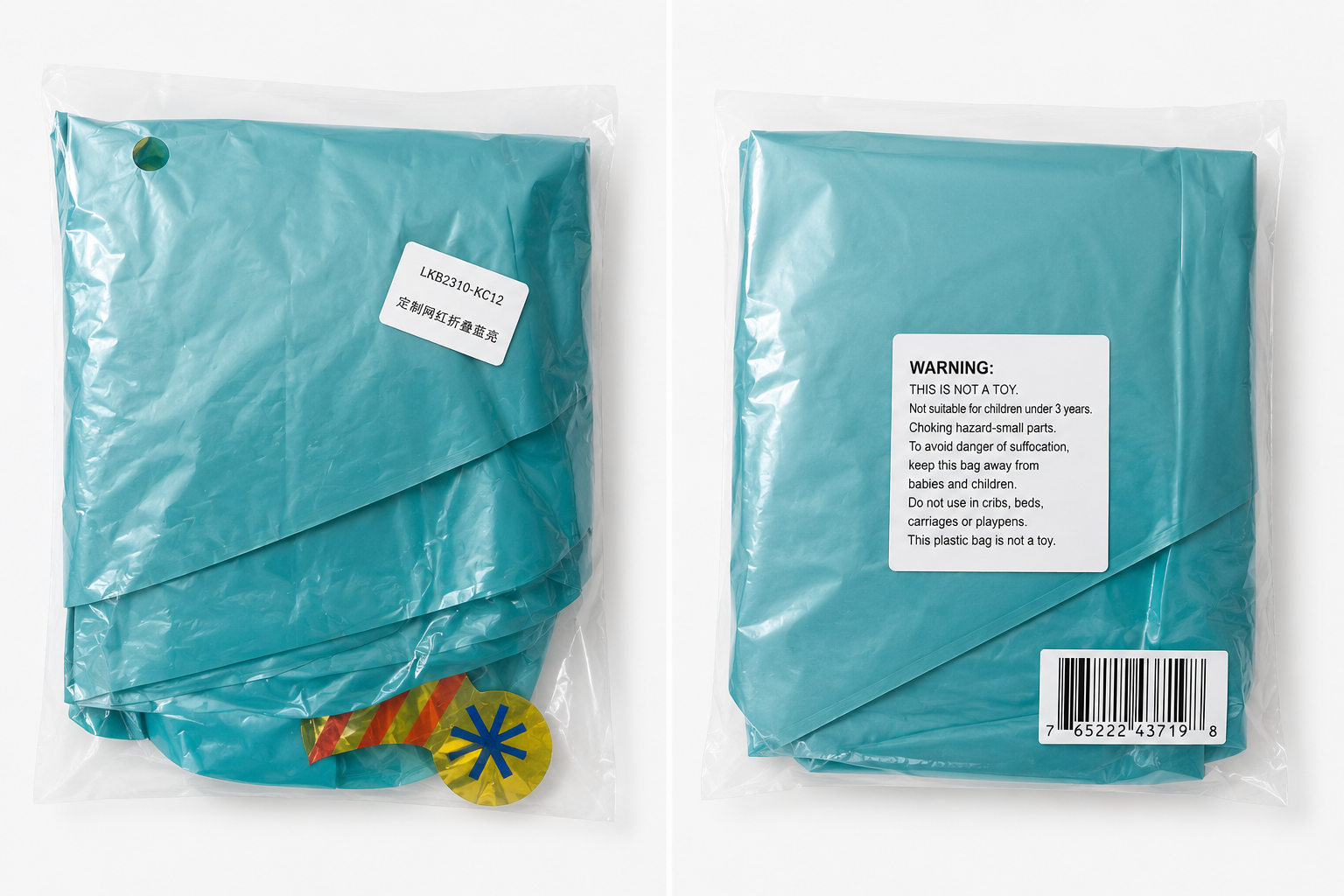
FoilJoy coordinates balloon, cards, bags, inserts, labels and cartons from one approved specification. Fully custom balloons normally start at 5,000 pieces per design; packaging supply conditions are confirmed separately.
Related guides: packaging options · barcode guide · News hub. Review GS1 barcode standards for primary guidance.
Send product, artwork, quantity per design, market, packaging and delivery requirements.
Yes. Cards, bags, labels and assembly can each create minimums.
Bulk is often efficient, but total cost depends on quantity and requirements.
The brand owner normally supplies verified GS1 data.