
The phrase PA vs PET foil balloon film is useful only when buyers look at the complete laminate. A balloon material is a system of base film, metallized or barrier layer, adhesive, ink and heat-seal layer—not a single plastic name.
“One supplier kept saying ‘PA is better.’ Another said ‘PET is enough.’ Neither could explain what problem the film was supposed to solve.”
Professional buyers eventually discover that material names are a shortcut, not a specification. A balloon’s real behavior depends on the complete laminate structure, barrier performance, toughness, sealing window, printing compatibility and batch consistency—not one layer name pulled from a quotation.
FoilJoy looks at material selection from the finished-product requirement backwards. If the project needs stronger toughness, better gas retention or a different cost-performance balance, the film structure should support that target and then be proven on the actual balloon. Buyers should be comparing performance and construction, not collecting three-letter material abbreviations.
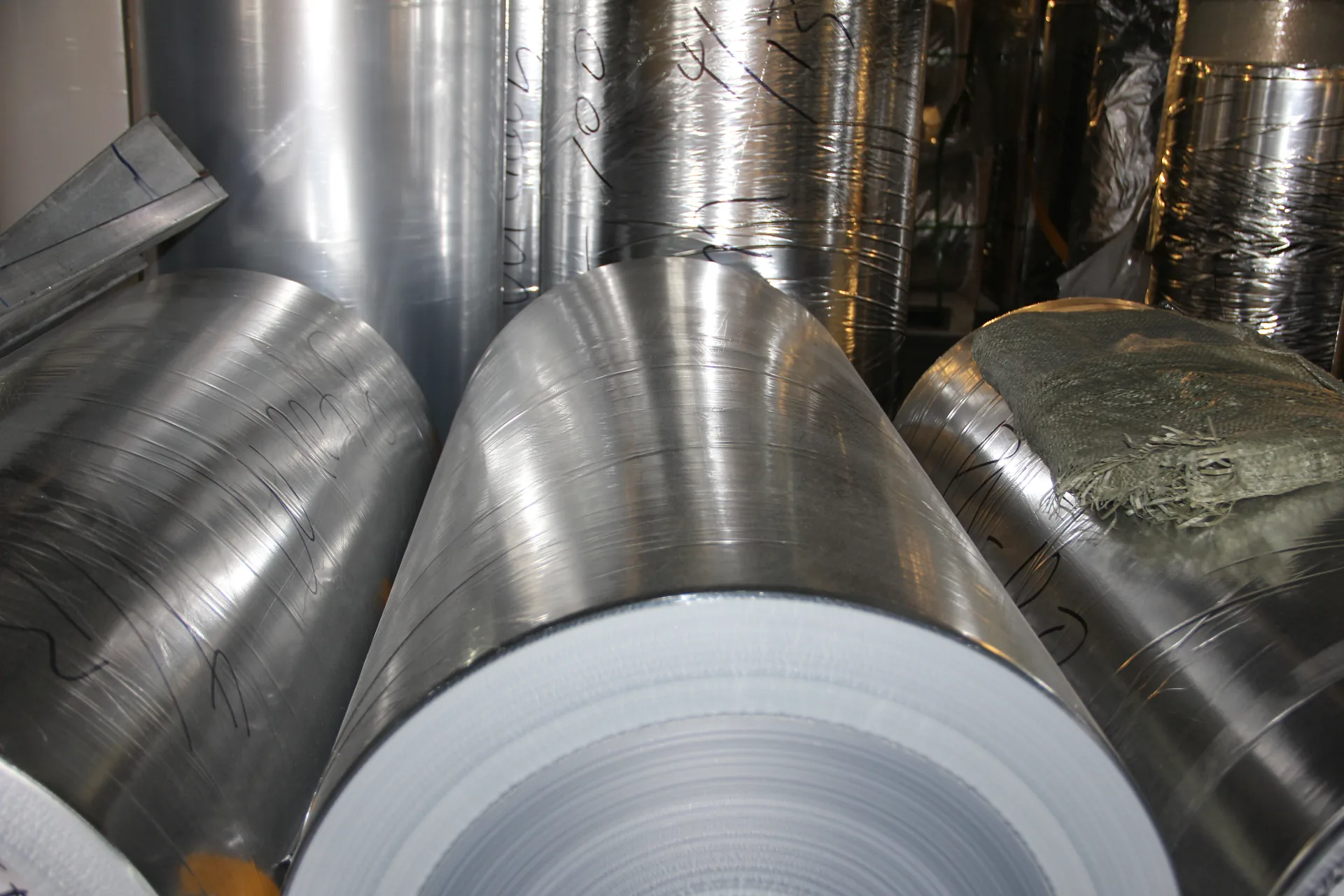
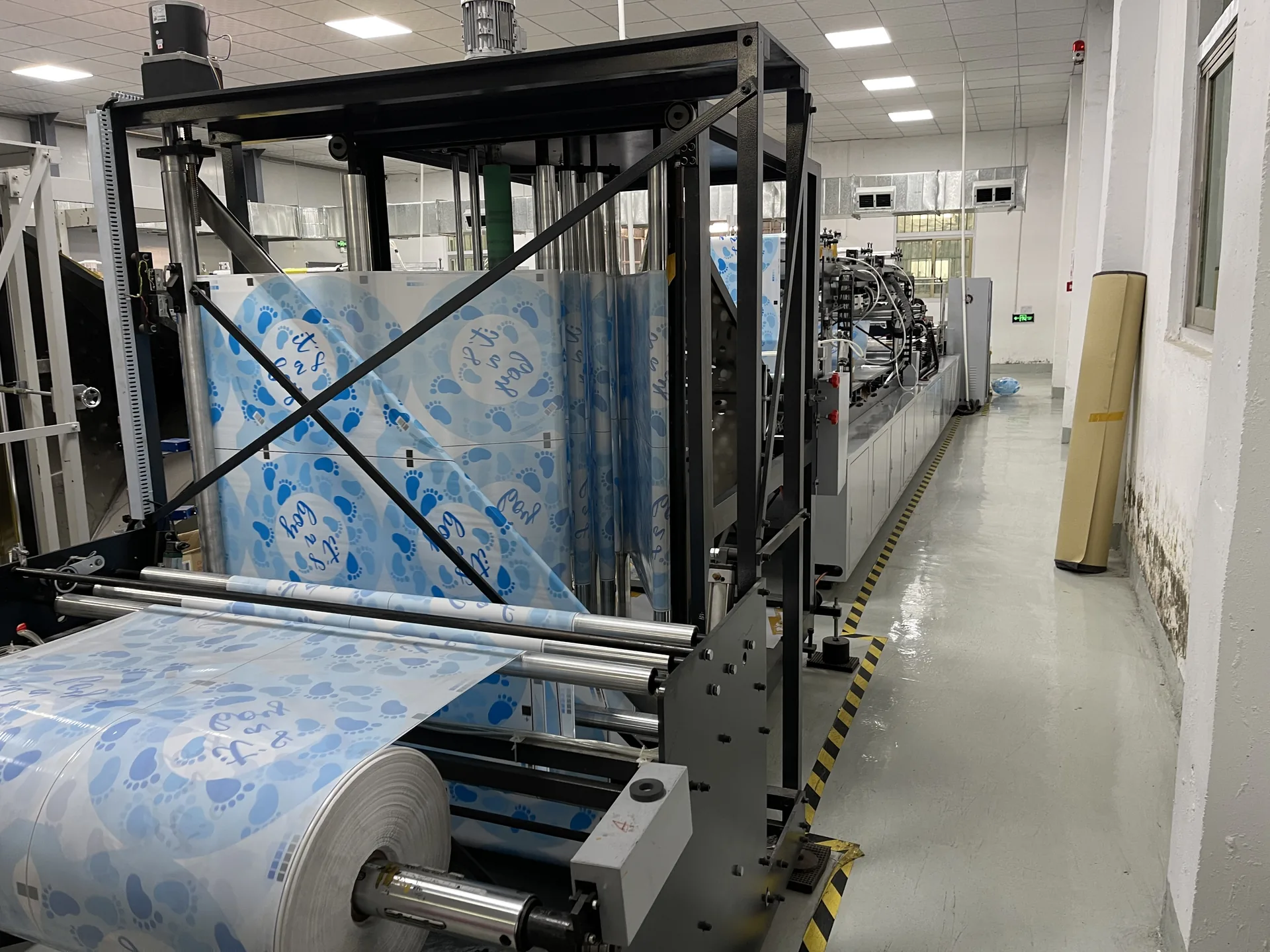
PA or nylon structures are often selected where toughness, stretch behavior and gas-barrier performance are important. PET structures can suit common constructions and cost targets. Actual performance depends on layer design, thickness distribution, lamination, curing, heat sealing, valve and process consistency, so validate the exact SKU.
FoilJoy perspective: We evaluate material together with the balloon shape and performance target. The same film cannot be assumed optimal for every number, narrow custom silhouette, air-filled banner or helium product.
| Item | What it means | Buyer action |
|---|---|---|
| PA / nylon direction | Often emphasizes toughness, stretch and barrier performance. | Validate thickness, laminate and retention result. |
| PET direction | Common in conventional structures and cost-controlled applications. | Confirm brittleness, sealing and end use. |
| Metallized layer | Improves appearance and barrier direction. | Check uniformity and flex durability. |
| PE seal layer | Supports heat sealing and internal contact surface. | Confirm seal strength and valve compatibility. |
| Adhesive/lamination | Bonds the structure into one film. | Check cure and delamination resistance. |
A good specification states performance and construction, but avoids copying one historical film recipe onto every new product. For critical programs, agree which material changes require buyer notification and requalification.
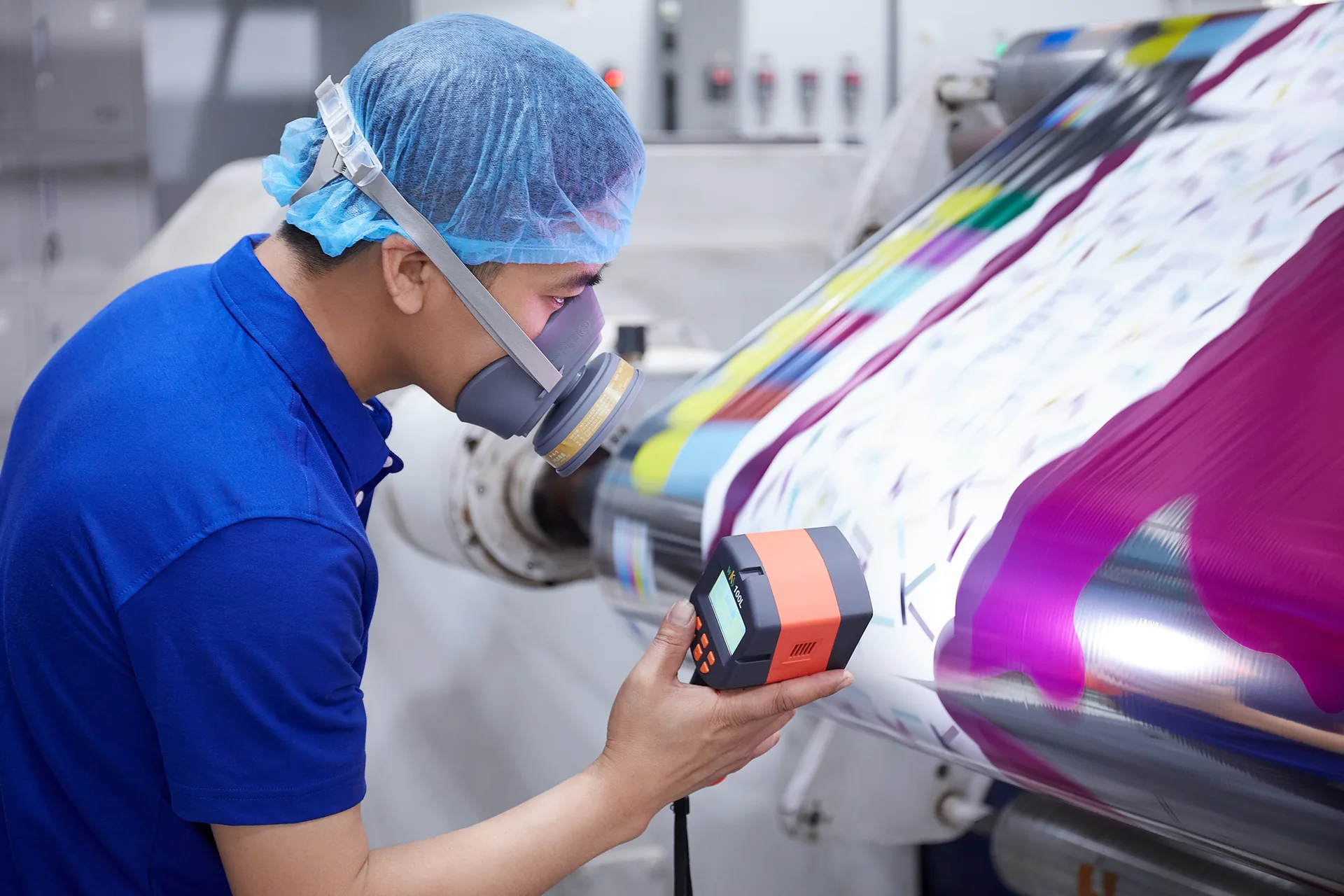
Send your artwork or product reference, quantity per design, target market, packaging choice and delivery window. We will review the manufacturing path and identify the information needed for a useful quotation.
No. The correct construction depends on shape, performance, process and commercial requirements.
No. Barrier layers, lamination, seals and valves also control leakage.
Not reliably. Narrow shapes, large numbers and air-filled items create different requirements.
Approve the exact production-intent film, print, valve, sealing and finished-product performance.