Design Engineering
Custom Shape Foil Balloons: Design Feasibility Guide
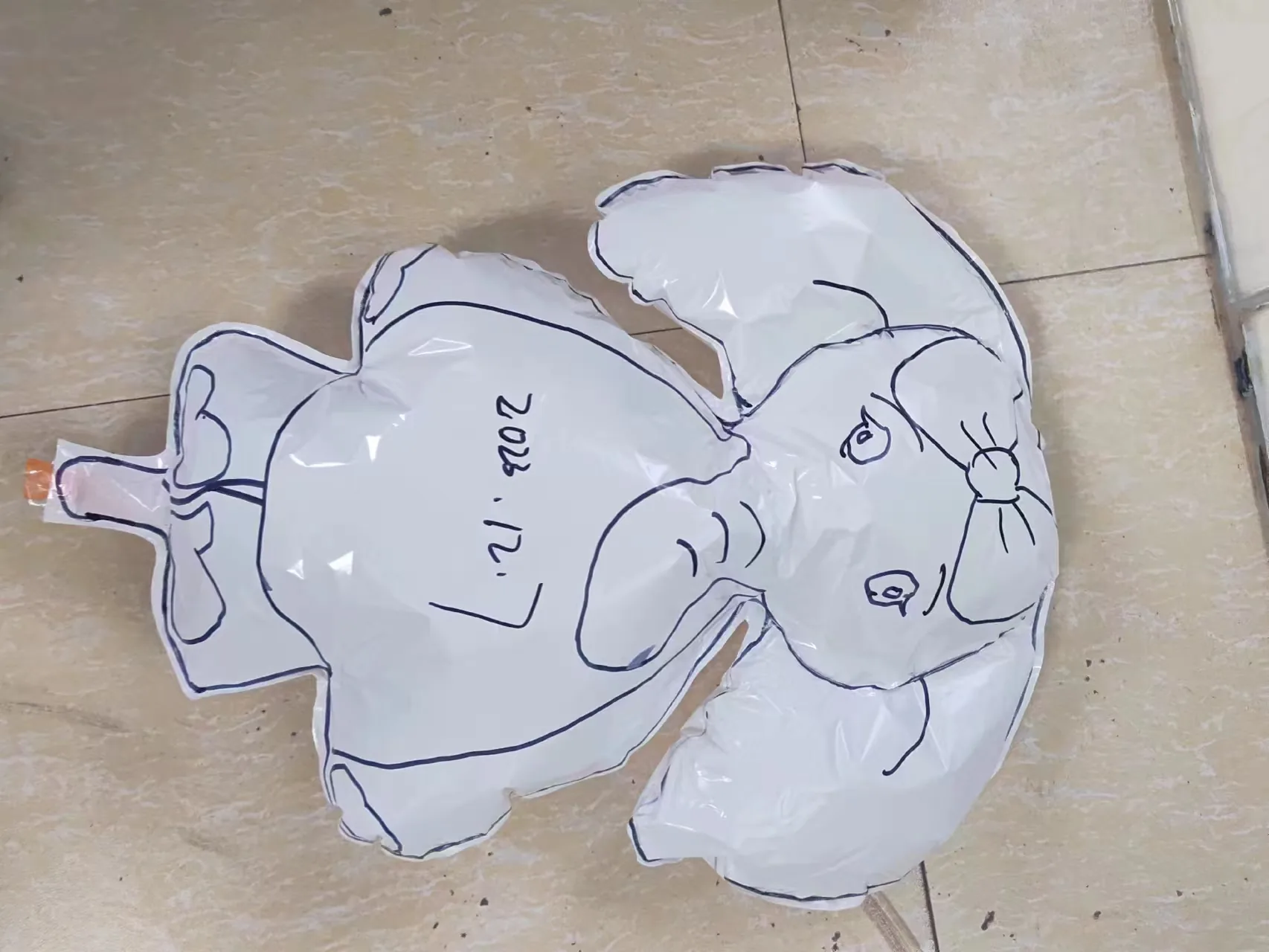
Custom shape foil balloons begin as artwork, but they succeed as pressure vessels. A beautiful silhouette must still leave room for seals, allow gas to reach every section, accept a valve and survive inflation, packing and normal use.
Custom shape balloons are where attractive artwork collides with physical reality. Very narrow necks, sharp corners, tiny chambers and aggressive curves may look perfect in a vector file but create weak seals, uneven inflation or visual distortion once the product becomes three-dimensional.
FoilJoy treats feasibility review as part of the design service. We look at gas paths, sealing zones, curvature, print placement and the final inflated silhouette before tooling or mass production. The strongest custom project is not the one that copies the drawing most literally—it is the one that preserves the customer’s idea while making the product reliable enough to manufacture again and again.
The five feasibility checks
Closed outline
The perimeter must convert into a continuous sealing path with enough tolerance for cutting and handling.
Inflation channels
Narrow necks and limbs must allow gas to move into every intended chamber.
Internal stress
Sharp corners, deep notches and sudden width changes can concentrate stress during inflation.
Valve location
The valve needs access, sealing room and a practical inflation angle without damaging the artwork.
Artwork is not the cut line
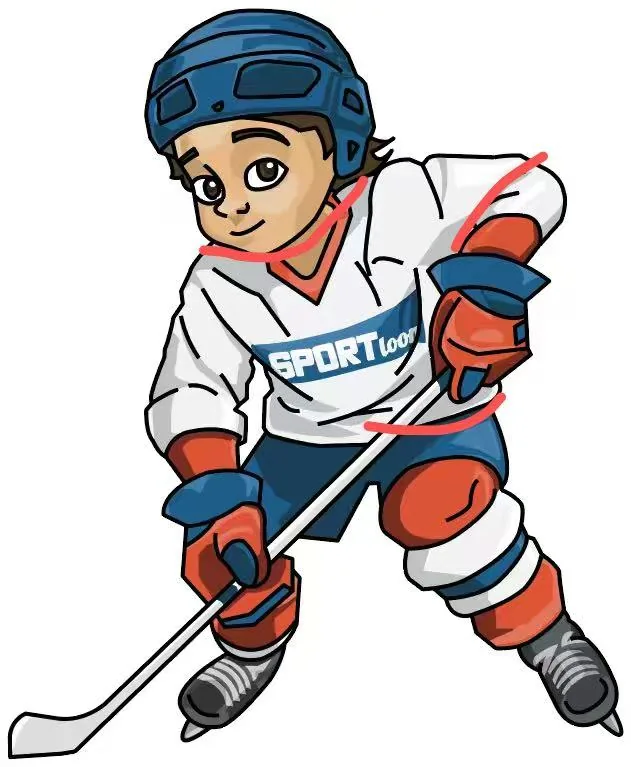
The visible illustration, outer cut contour and inner sealing line are different layers. Fine hair, thin fingers, antennae or lettering may need to be widened, simplified or converted into printed details. FoilJoy’s engineering review aims to preserve the character of the design while making the physical product stable and repeatable.
Use a manufacturability scorecard
| Feature | Lower risk | Higher risk |
|---|---|---|
| Silhouette | Rounded, continuous, balanced | Many deep concave corners |
| Limbs/details | Wide paths connected to main body | Long, thin, isolated sections |
| Print registration | Critical art away from seams | Tiny details aligned exactly to cut edge |
| Valve | Straight accessible zone | Hidden in a narrow or heavily printed area |
| Display | Stable hanging or standing plan | Unbalanced center of gravity |
Prototype in controlled stages
- Approve the design intent and target inflated size.
- Receive an engineering overlay with cut, seal and valve zones.
- Review a handmade or low-volume sample for overall behavior.
- Test inflation access, shape definition, balance and retention.
- Approve production-intent artwork and packaging orientation.
- Freeze a signed or dated golden sample.
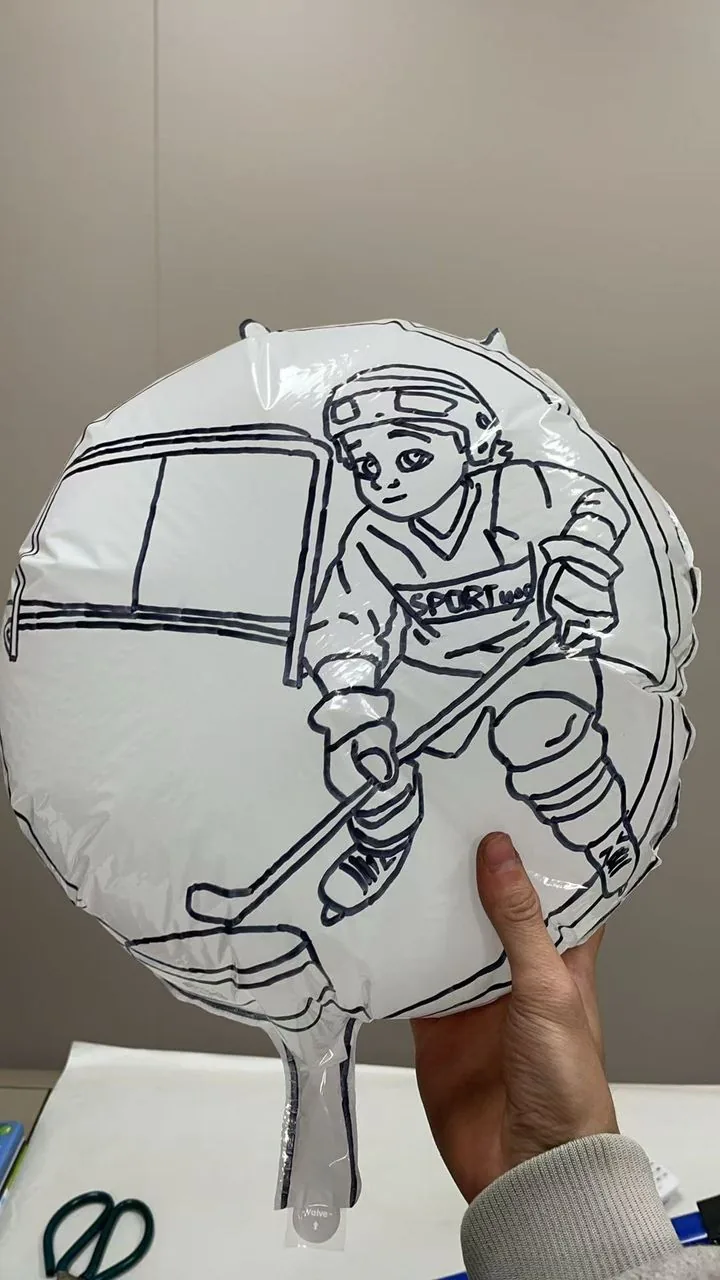
Common redesign decisions
Good redesign is often subtle: widening a limb, rounding an inner corner, moving typography away from a seal, opening an inflation passage, relocating a valve or changing a tiny protrusion into printed art. Rejecting every difficult concept is not engineering; neither is promising that every sketch can be produced unchanged.
Get a factory review before you commit
Send FoilJoy your artwork, target market, quantity, packaging and deadline. We will review production feasibility and prepare a clear next step for a custom shape foil balloon feasibility review.
Continue your buying research
- Helium retention testing guide
- Pre-shipment QC checklist
- Packaging option guide
- Submit your design for review
Browse every guide in the FoilJoy News & Buyer Insights hub, or see our OEM factory capabilities.
FAQ
Can any logo become a foil balloon?
Many can, but fine elements may need simplification or conversion into printed artwork.
Why do narrow parts fail to inflate?
The gas path may be too restricted or blocked by seal geometry.
Is a digital mock-up enough?
No. A physical sample reveals three-dimensional shape, balance, inflation and handling behavior.
Can accessories be attached?
Often yes, but their weight, connection point, safety and packing effect must be reviewed.