Factory Process
How Foil Balloons Are Made: From Film to Packed Carton
Understanding how foil balloons are made helps buyers identify where quality is created. The process connects film construction, lamination, printing, valve placement, heat sealing, die cutting, inflation checks and retail packing.
Professional buyers eventually realize that quality problems rarely begin at the final packing table. They start much earlier—in film selection, lamination consistency, print registration, valve positioning, heat sealing and even the way finished pieces are handled before packing. A balloon may look simple, but production discipline is what turns simple into repeatable.
FoilJoy likes buyers to understand the process because better process visibility creates better purchasing decisions. When a customer knows where variation enters the product, they ask smarter questions, approve samples more confidently and choose suppliers based on execution instead of just appearance.
The buyer decision in one sentence
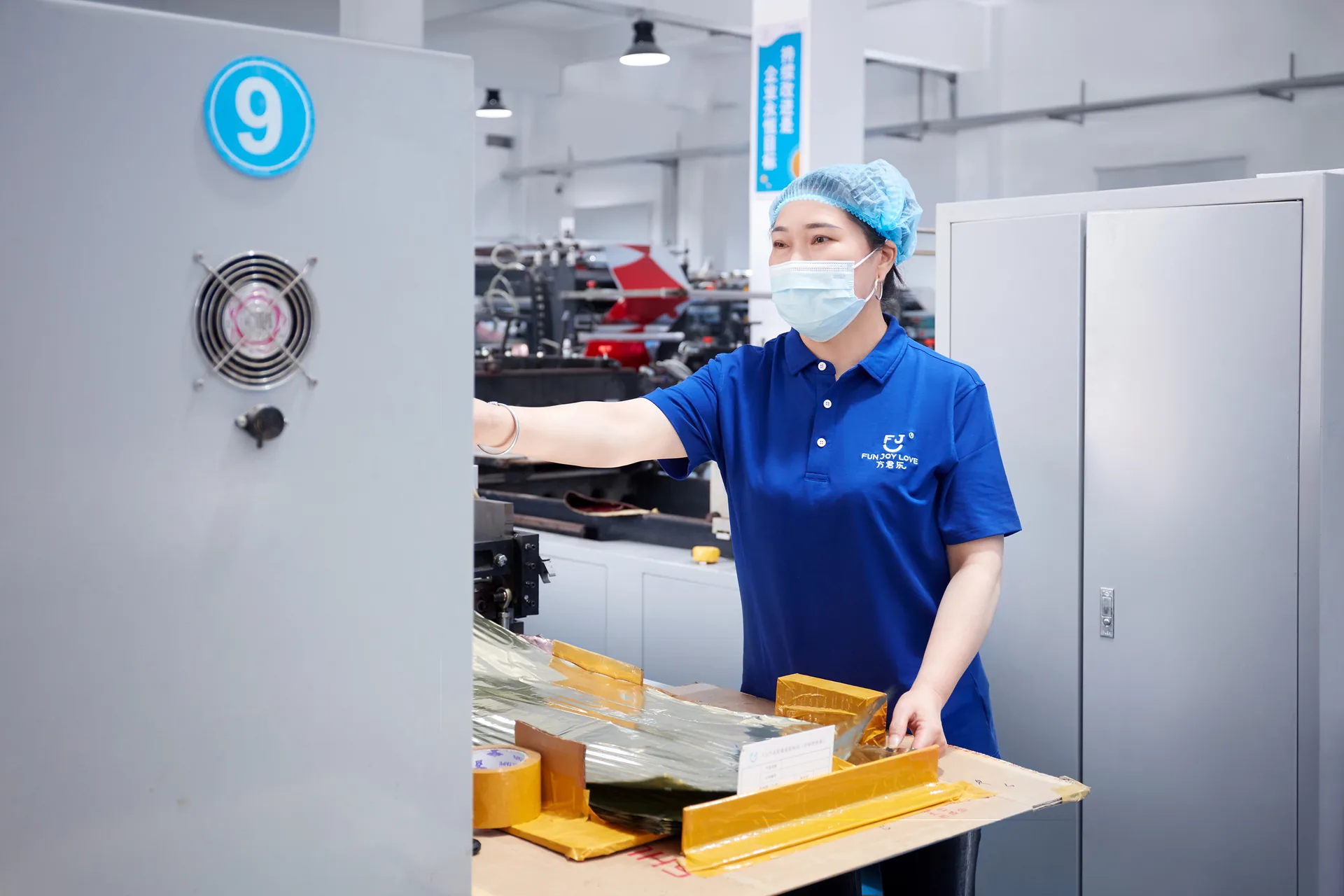
A typical process is base film preparation, metallization or material sourcing, lamination and curing, gravure printing, valve positioning, heat sealing, cutting, inflation or leak checks, visual inspection, retail packaging and carton packing. The exact route depends on the design and factory setup.
What buyers must compare
Film and lamination
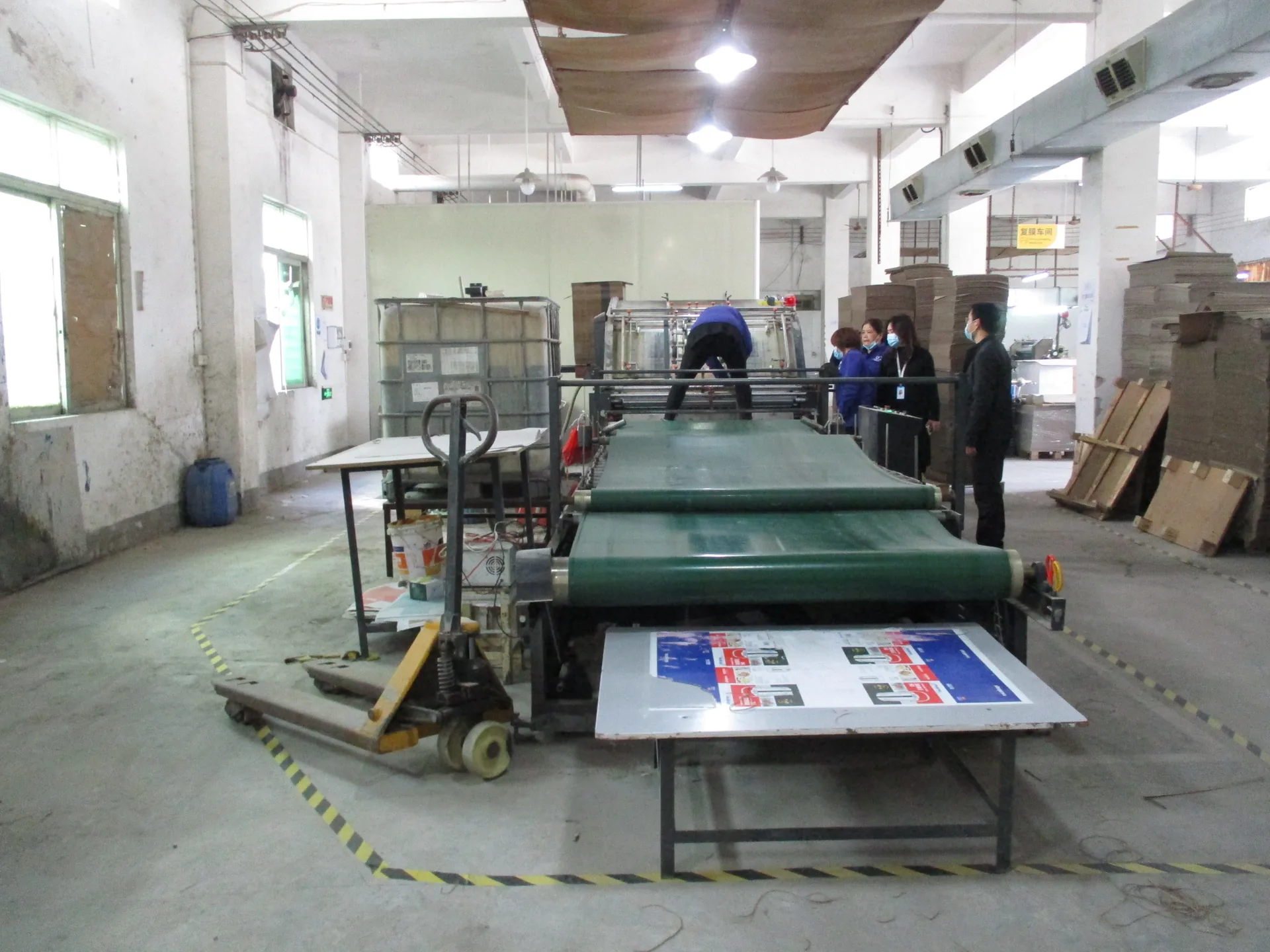
Barrier, toughness, bonding and heat-seal behavior begin upstream.
Printing
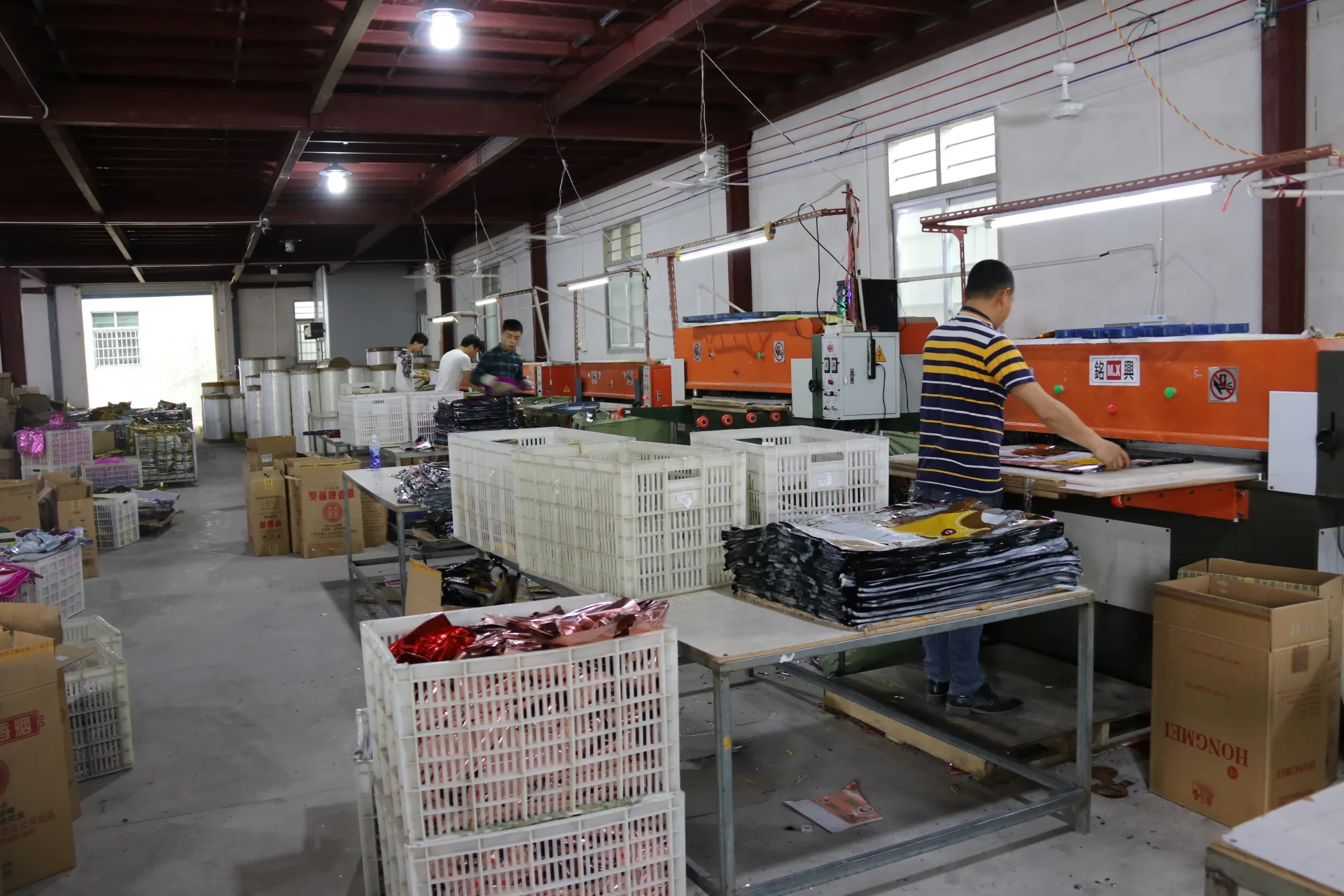
Color plates, registration and curing determine appearance and adhesion.
Conversion
Valve position, seal geometry and die cutting create the functional balloon.
Packing
SKU matching, barcode, accessories and carton counts protect retail execution.
Decision table
| Item | What it means | Buyer action |
|---|---|---|
| Material preparation | Film layers and batch control. | Confirm construction by SKU. |
| Printing | Artwork separated into production colors and registered. | Approve color and print position. |
| Sealing and cutting | Valve inserted; perimeter sealed and cut. | Monitor seal width and cut tolerance. |
| Functional checks | Inflation, self-sealing and leakage sampling. | Use defined test conditions. |
| Packaging | Balloon folded and matched with approved retail components. | Recheck SKU, barcode and quantity. |
Recommended workflow
- Freeze the approved specification and artwork.
- Release materials and printing against the correct version.
- Approve first article before full production.
- Check seals, valves and cut edges during conversion.
- Run defined functional and visual sampling.
- Pack only released goods and reconcile carton totals.
Risks to control before ordering
- Treating total film thickness as the only material quality measure.
- Moving artwork too close to a heat-seal edge.
- Allowing valve placement to vary without tolerance.
- Skipping first-article checks after a machine setup change.
- Discovering packaging mismatch after production is complete.
Lead time must be evaluated by the real bottleneck. In some projects, printing or cutting is fast but retail card production, manual assortment, barcode checking or packaging labor controls the schedule.
Useful buyer resources
External references
Ask FoilJoy to review your project
Send your artwork or product reference, quantity per design, target market, packaging choice and delivery window. We will review the manufacturing path and identify the information needed for a useful quotation.
FAQ
Are all foil balloons made the same way?
No. Shape, size, print, valve, film and packaging change the production route.
What is the most important process step?
There is no single step; material, printing, sealing, valve and packing controls work together.
Is every balloon inflated during production?
Inspection plans normally combine process controls and defined sampling rather than inflating every unit.
Why can packaging extend lead time?
Cards, bags, labels, assortment work and barcode checks may require separate suppliers and manual labor.