
foil balloon artwork guide separates visible artwork from cut contour, seal line, bleed, valve and packaging folds. A JPG mock-up alone leaves critical production decisions undefined.
A buyer decision from the showroom floor
A brand’s artwork team sent a beautiful circular logo for a custom shaped foil balloon. On the flat print proof it looked centered; when the sample inflated, the seal margin and curves shifted the visual balance. The buyer asked for a dieline, safe zone, bleed, valve position and an inflated sample view. After moving small text away from the seam, the design became readable at the point of sale. The scene illustrates why foil balloon artwork approval has to cover the manufactured object, not just a screen mockup.
Illustrative scenario; not an actual customer case.
For artwork and dielines: flat dimensions, cutting dies, print bleed, colors, seal and valve position, confirm what is actually being ordered rather than copying generic certifications or label templates across designs. A fully custom FoilJoy foil balloon requires 5,000 pcs per design; a stock balloon with a changed pack has separate conditions. Manufacturing targets 10 days after final design and order sign-off; samples, new d…
Related buying guide: sample and proof approval guide for the next sourcing decision.
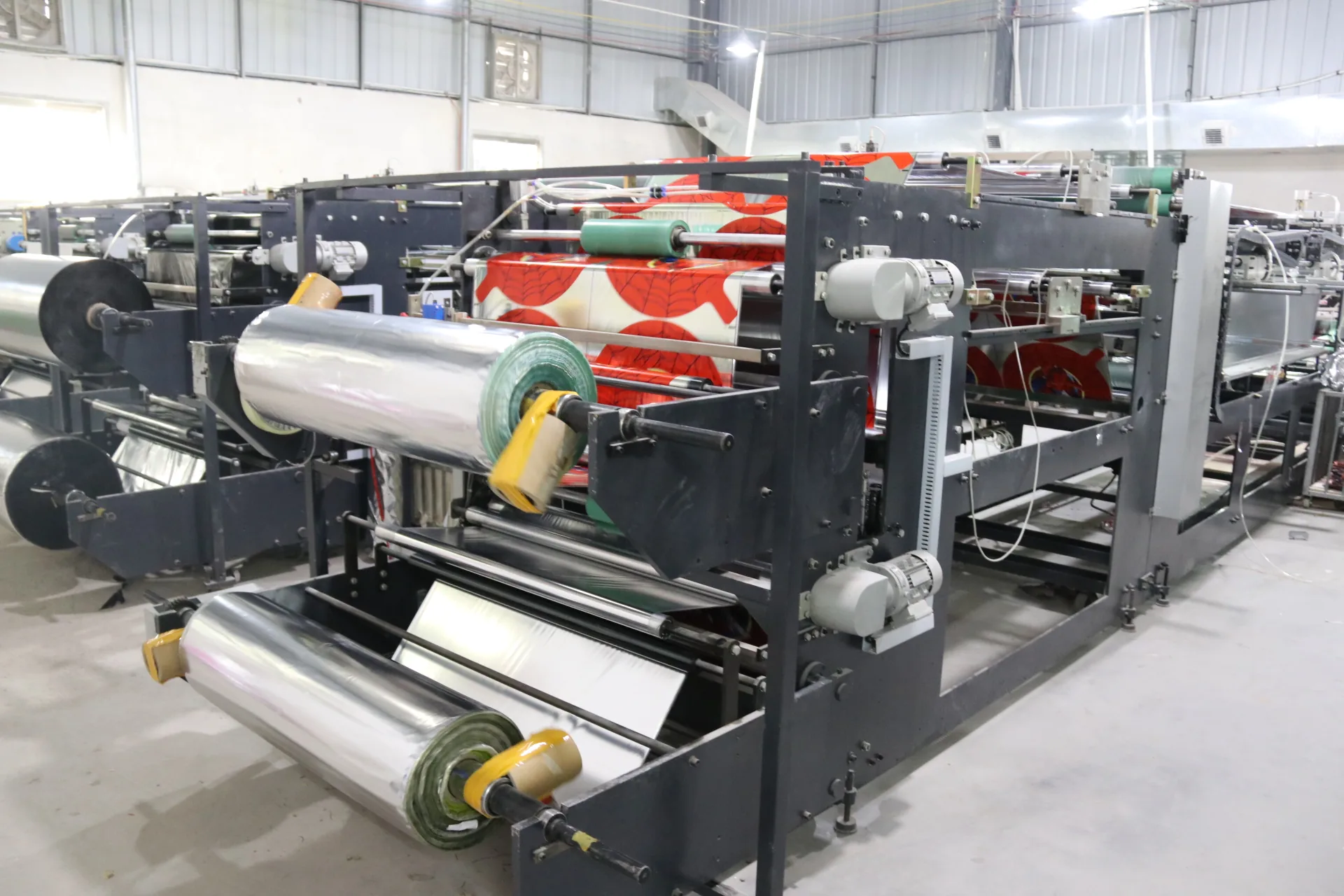
Provide editable vector artwork with named print, cut, seal, bleed and valve layers. Keep logos, faces and small text away from tolerances, then approve both flat and inflated appearance.
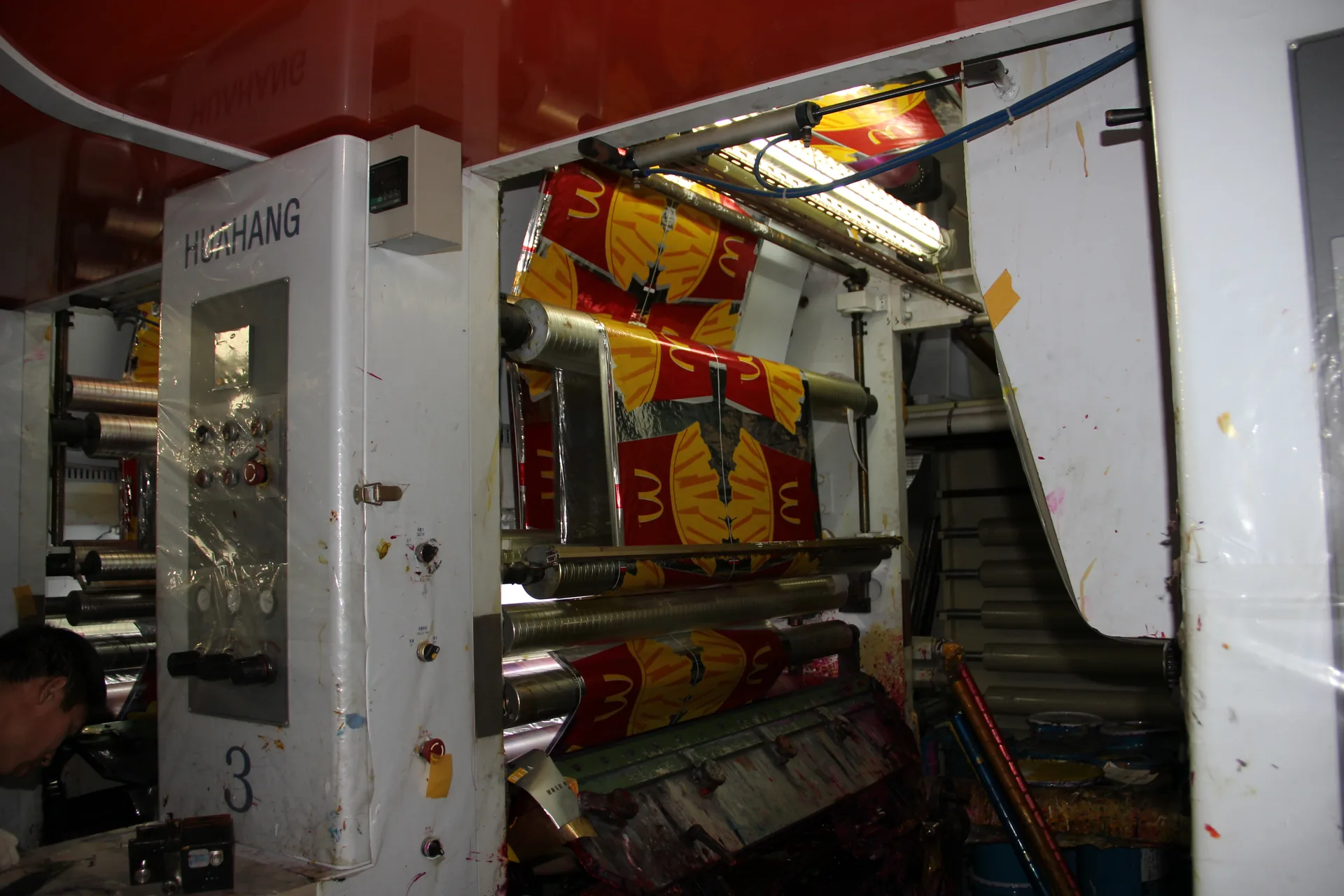
Low-resolution screenshots, sharp protrusions, tiny edge text and narrow chambers lead to preventable revisions. Artwork changes after plates or samples can alter cost and schedule.
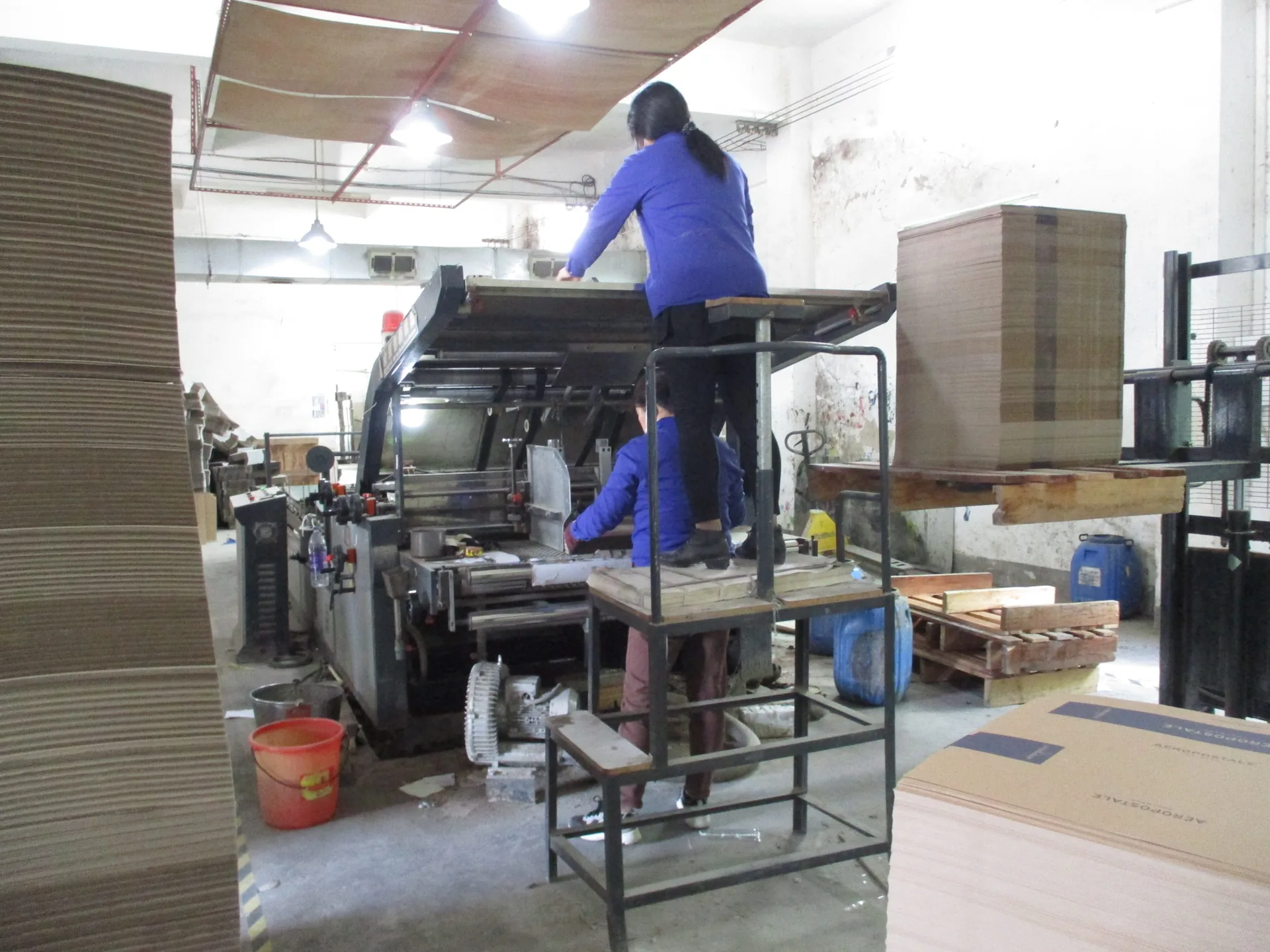
FoilJoy converts creative files into manufacturable layers while protecting important visual elements and product function.
Continue with printing guide, custom-shape guide, News hub. Review WIPO design resources for primary guidance.
Send the product reference, artwork, quantity per design, market, packaging and delivery window.
Editable AI, EPS or vector PDF with fonts outlined.
The internal bonded boundary that holds gas.
The flat film curves and stretches during inflation.
It fixes the cut, seal, valve, fold and artwork boundaries for a design.
Curved surfaces and seam geometry can shift visible proportions.
Keep essential print and text clear of the cut and heat-seal margins.
Check the contour and die requirements against the approved design.
Provide editable art, colour references and front/back orientation.