
foil balloons do not float because leakage is only one possible cause. A balloon can look fully inflated yet lack enough net lift after the weight of film, valve, ink, ribbon and accessories.
“The complaint said ‘leaking.’ The sample held gas overnight—it simply never had enough lift to carry the ribbon.”
That single distinction can save days of arguing between buyer and factory. A foil balloon can retain helium and still fail to float because the usable gas volume is too small for the total weight of film, valve, ink, ribbon or accessories. A narrow numeral, a heavy print area or one extra decorative attachment can change the result.
FoilJoy separates retention from lift before looking for a cause. We compare SKU, batch, inflated dimensions, product weight, helium source and accessories, then put customer samples beside retained controls. The goal is not to defend the factory—it is to isolate the variable quickly enough that the buyer gets an answer instead of an excuse.
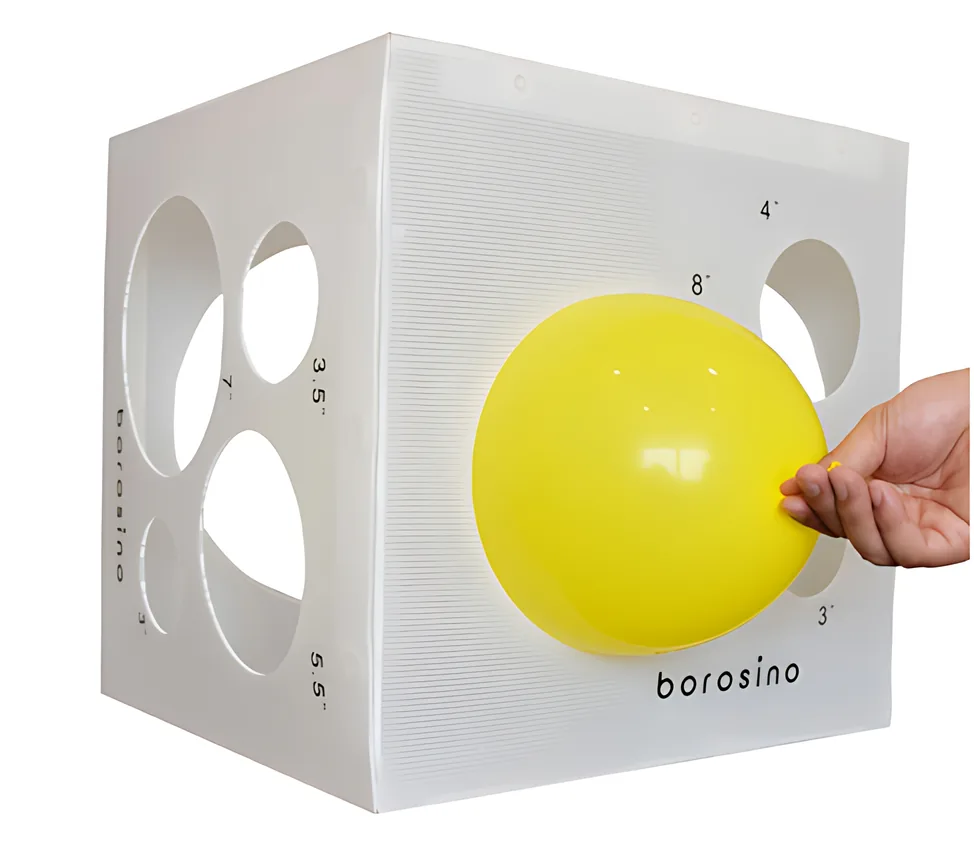
Separate gas retention from floating ability. Record SKU, batch, product weight, inflated size, helium source, equipment, temperature and attachments, then compare customer samples with retained controls.
Do not blame gas purity or user error without evidence. A product that remains inflated may still have insufficient lift, and a critical-lift design can fail after adding only a ribbon or tassel.
FoilJoy investigates product construction and test conditions together, rather than equating every floating complaint with leakage.
Continue with helium retention guide, valve guide, News hub. Review ACS study on gases in balloons for primary guidance.
Send the product reference, artwork, quantity per design, market, packaging and delivery window.
Yes. Retention does not guarantee positive net lift.
They can have little gas volume relative to material weight.
Yes. Temperature changes gas volume and observed lift.