
self-sealing balloon valves influence inflation speed, retention and the customer’s first interaction with a foil balloon. A valve may seal correctly but still be difficult to access with a particular nozzle.
“The balloon passed the leak test. Store staff still hated it because every inflation took twice as long.”
That kind of problem rarely appears on a specification sheet. The valve may seal perfectly yet sit too deep, grip the nozzle too tightly or create a narrow path that slows gas flow. Multiply a few extra seconds by hundreds of balloons during a busy weekend and a tiny construction detail becomes an operating-cost problem for the customer.
FoilJoy checks the valve as part of the user experience: entry width, channel position, insertion force, nozzle access, gas flow and self-closure all matter. A good valve should disappear from the conversation after launch. If store staff are still talking about it, the engineering work was not finished.
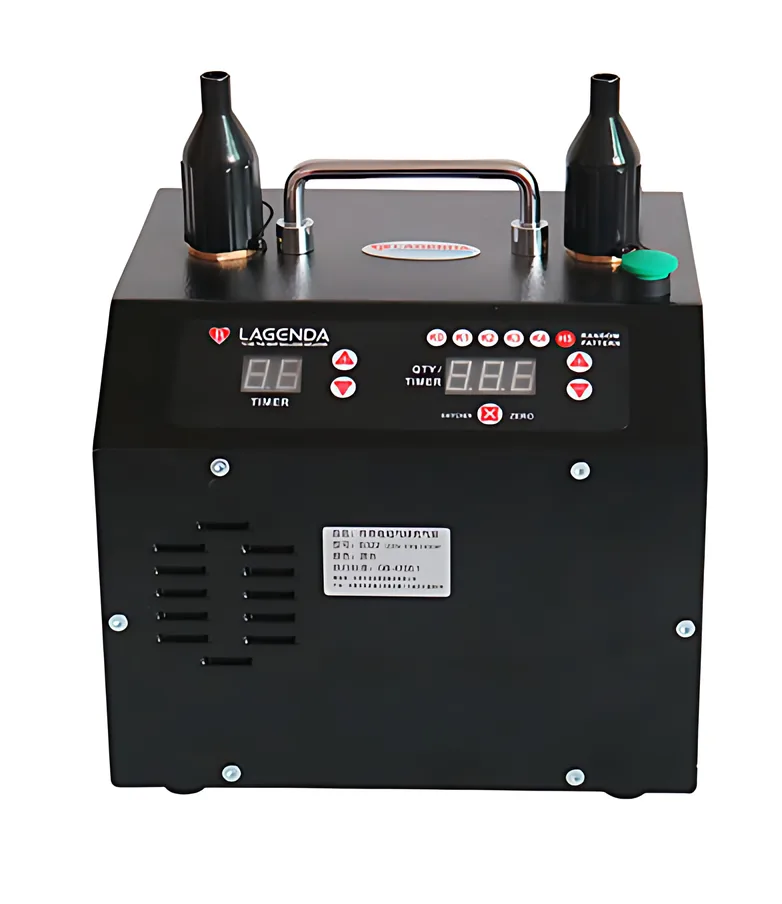
Validate entry width, channel length, insertion force, location, heat-seal pressure, nozzle compatibility, self-closure and retention on the actual SKU. One valve result cannot represent every shape and size.
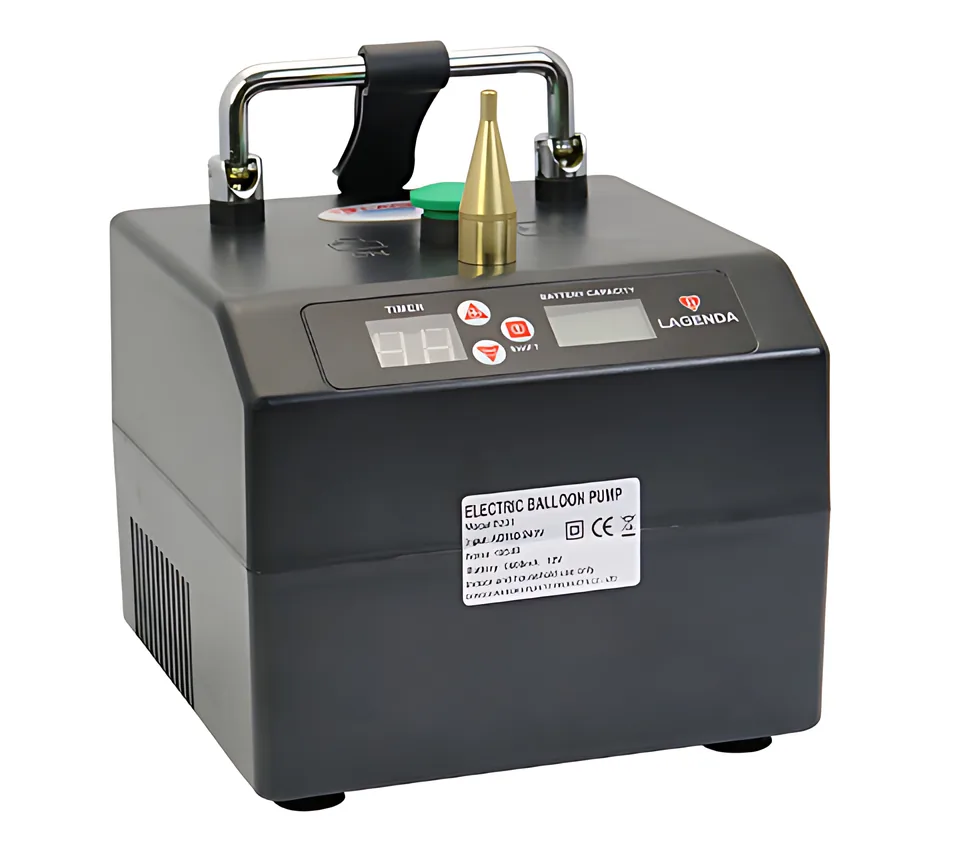
A tight valve is not automatically a leak, but excess sealing pressure, misalignment or an incompatible nozzle can reduce usability. Moving a valve can also change folding, balance and inflation paths.
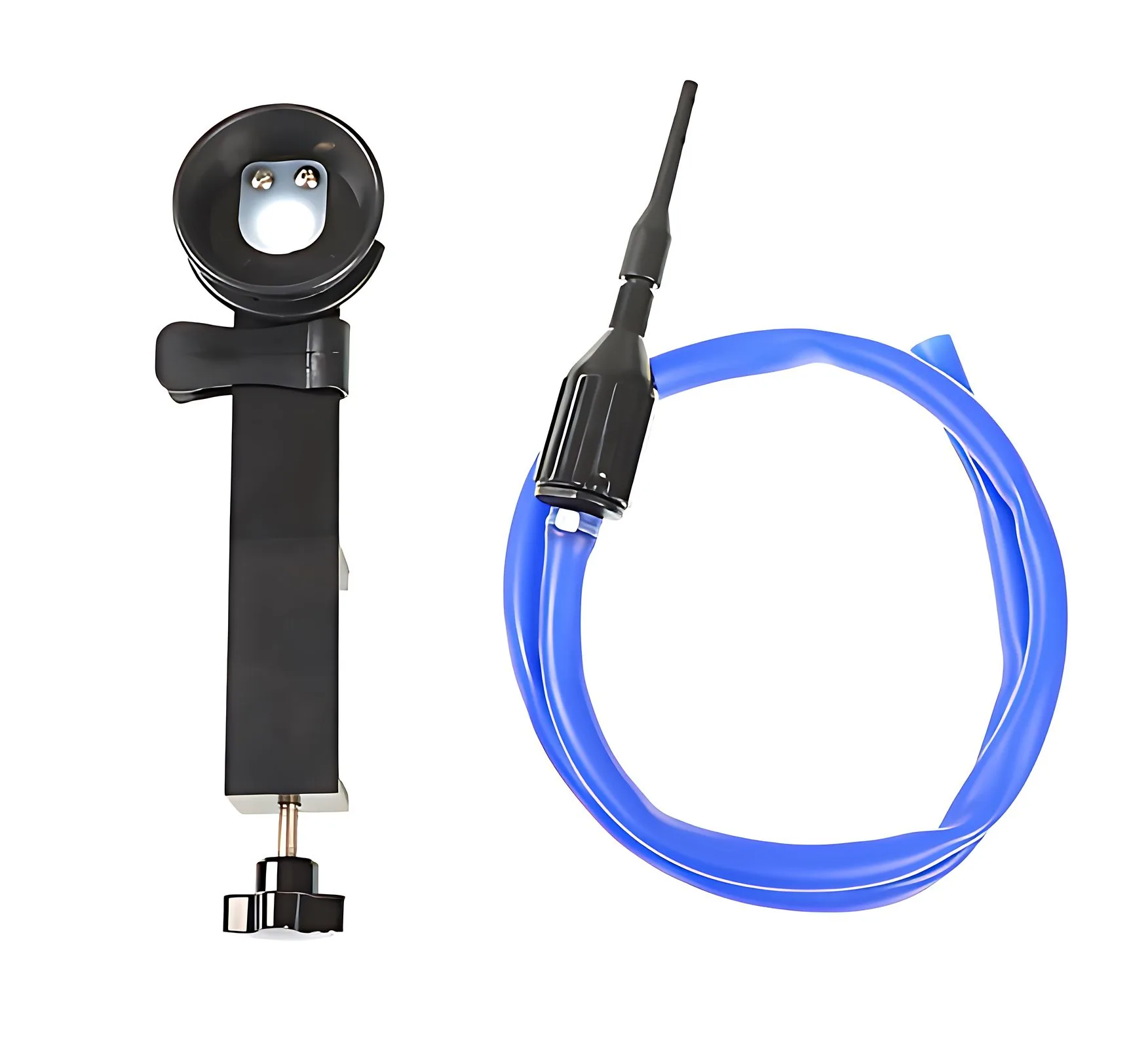
FoilJoy treats valve placement as an engineering decision and can review samples with the buyer’s intended inflation method before production.
Continue with helium retention guide, quality checklist, News hub. Review CPSC toy-safety resources for primary guidance.
Send the product reference, artwork, quantity per design, market, packaging and delivery window.
No. Valve performance is one part of the complete retention system.
Yes when equipment compatibility is commercially important.
Only when the valve and instructions support that method.