
balloon packaging barcodes must connect each retail item to the buyer’s product master. A scannable symbol can still be commercially wrong if it points to the wrong size, color, pack count or market.
“The barcode scanned perfectly. Unfortunately, it belonged to the rose-gold 34-inch ‘8’, not the silver 34-inch ‘8’ inside the bag.”
That tiny mismatch can create a surprisingly expensive chain reaction: the warehouse receives the wrong SKU, the retailer’s stock file becomes unreliable, online inventory disagrees with the peg, and the buyer starts investigating a problem that began with one copied code on one artwork file.
FoilJoy treats barcode work as SKU control, not graphic decoration. Size, color, character, pack count, retail card and carton data have to point to the same product before production. The goal is not merely a barcode that scans—it is a retail item that scans into the right commercial identity every single time.
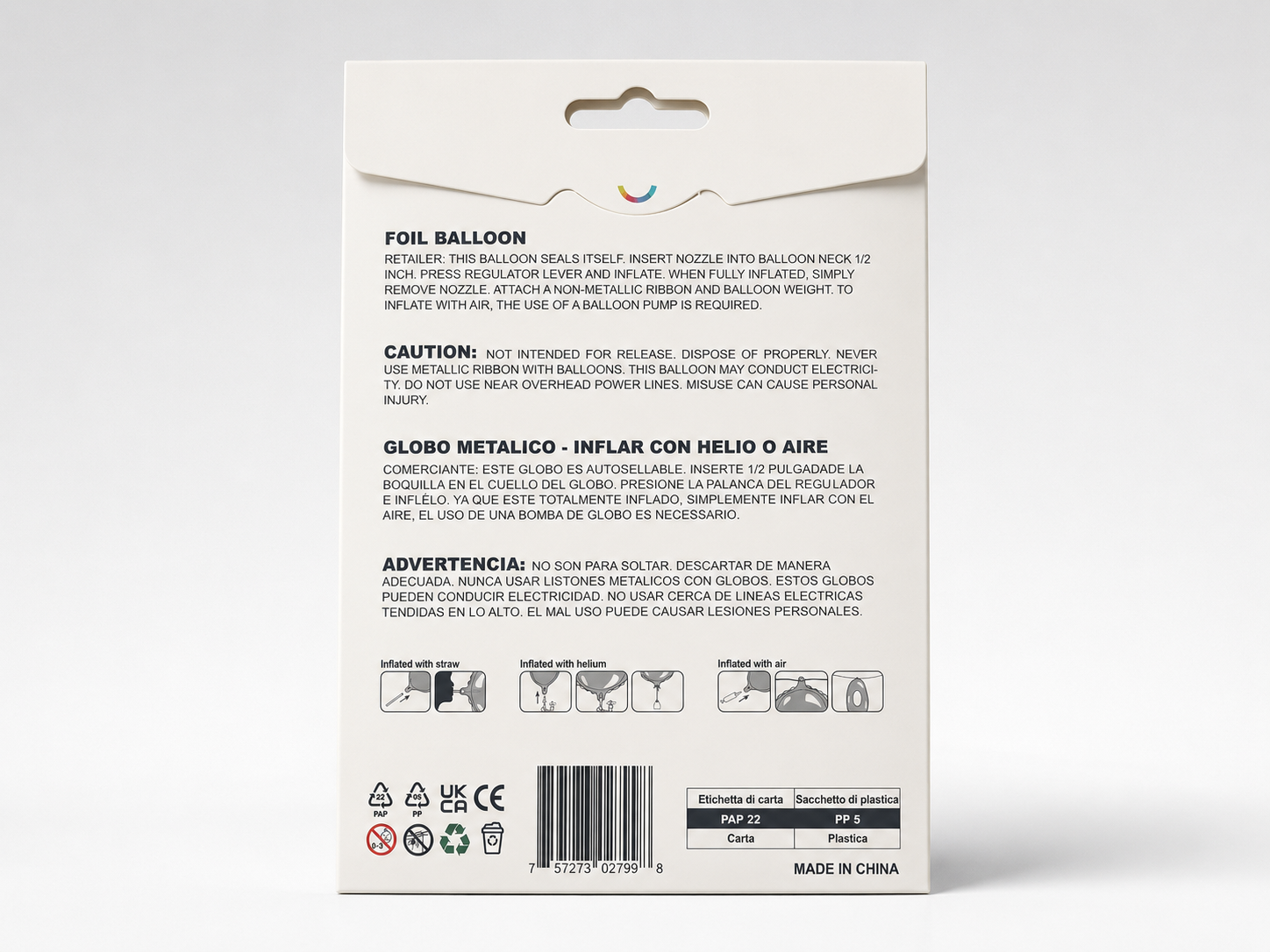
Obtain identifiers through the brand owner’s accepted GS1 route, assign one GTIN to the defined trade item, preserve quiet zones and contrast, and scan production-intent packaging against the SKU database before shipment.
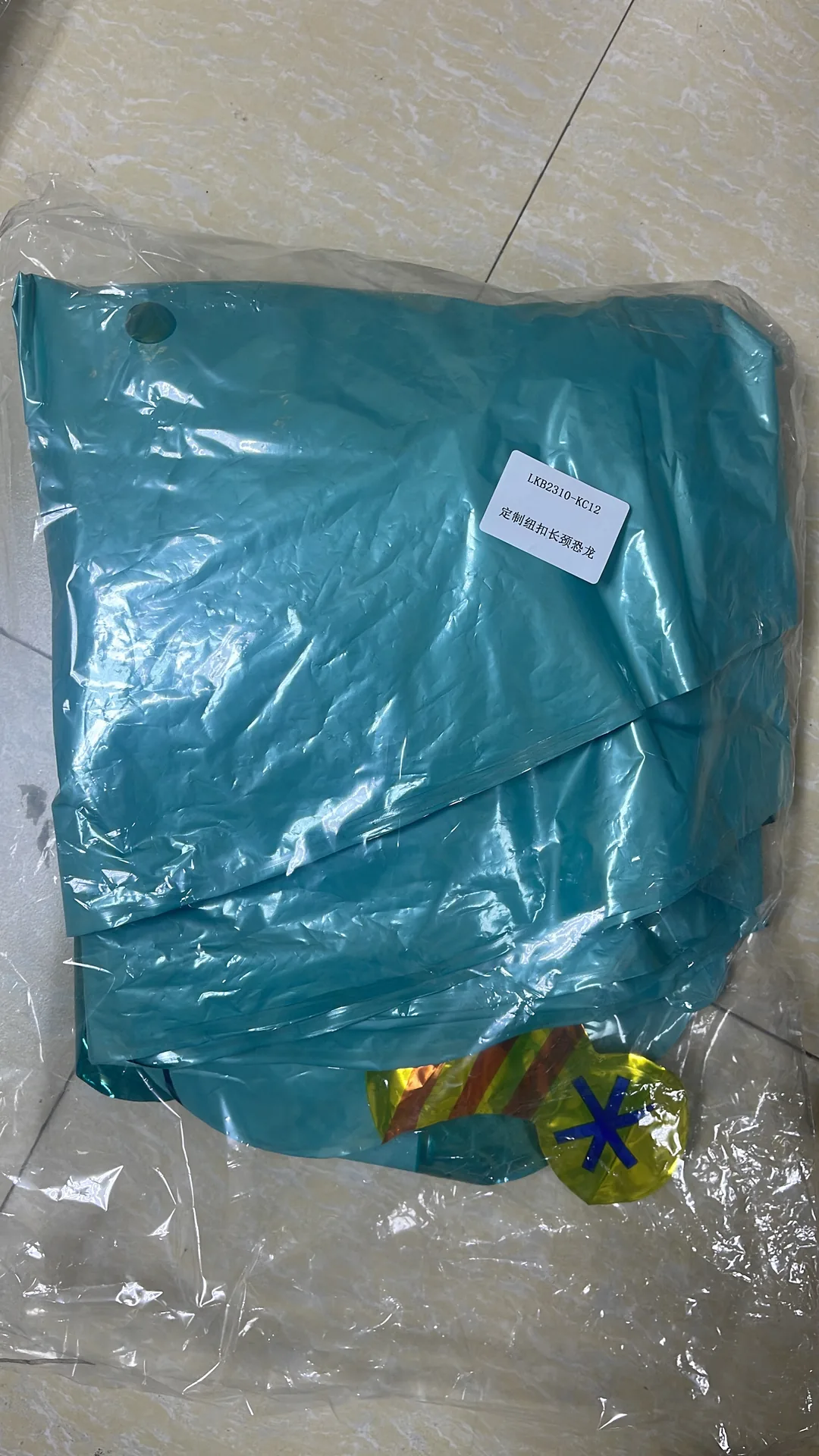
Do not copy a supplier’s barcode, resize it without preserving proportions, print on poor-contrast backgrounds or reuse one code across different products unless the retailer explicitly allows it.
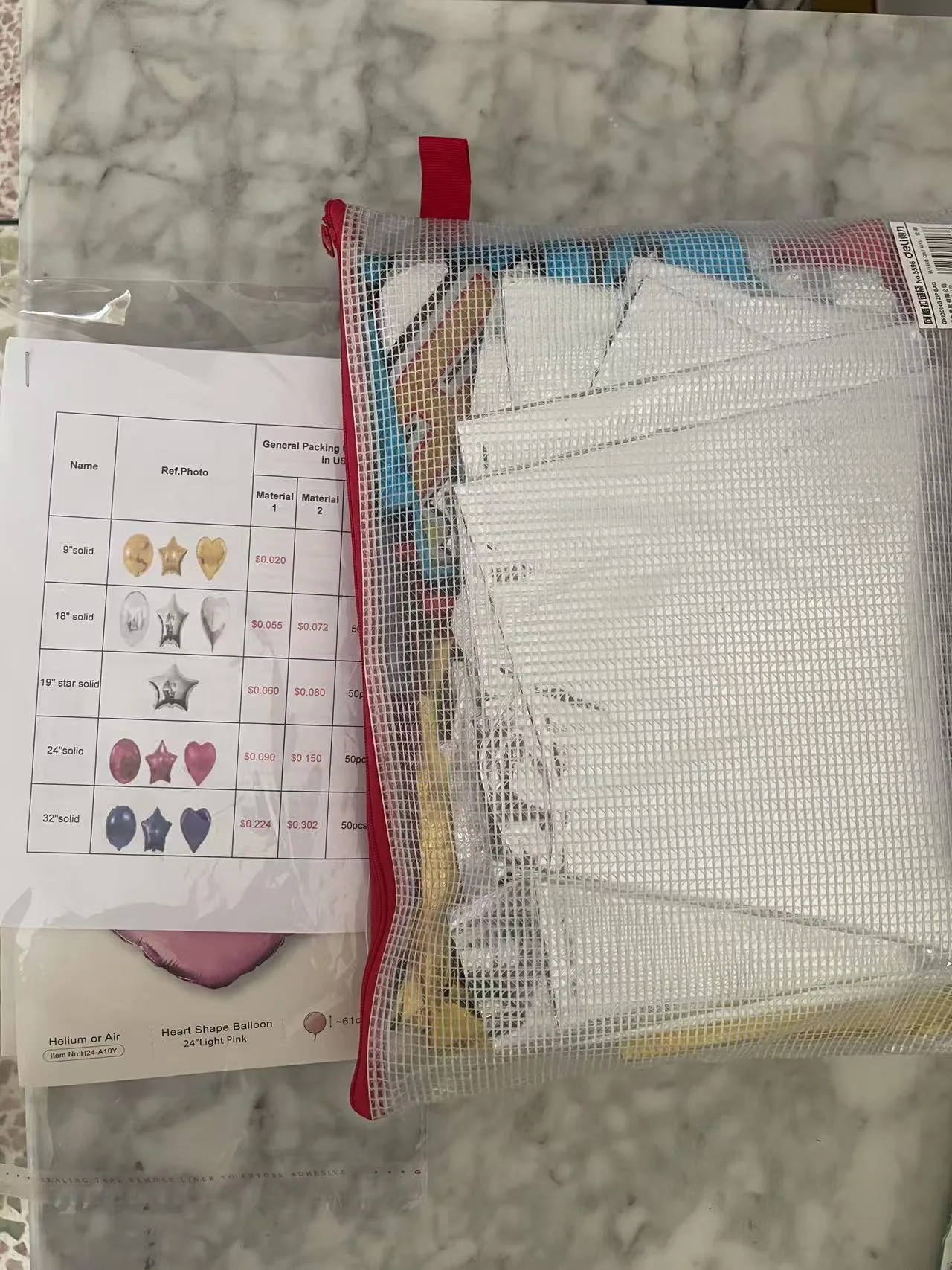
FoilJoy prints buyer-supplied verified barcode data and includes scan checks in packaging approval, while number ownership remains with the buyer.
Related guides: private-label checklist · packaging options · News hub. Review GS1 EAN/UPC standards for primary guidance.
Send product, artwork, quantity per design, market, packaging and delivery requirements.
The buyer or brand owner should provide verified identifier data.
Usually yes if it is independently ordered and tracked.
Yes, and production print should be rescanned.