EU balloon compliance depends on product classification, intended use, age grading, components and selling method. CE is not one certificate, and an EN 71 report for one tested sample cannot be generalized to every balloon.
“We had ‘CE’ on the artwork, a certificate in the folder and cartons ready to ship. Nobody could prove all three referred to the same product.”
That is the kind of small paperwork gap that becomes a very large commercial problem. Buyers do not need a supplier who can say “we have CE.” They need the exact product, intended use, test scope, responsible operator, warning text and traceability records to make sense together when somebody checks them.
FoilJoy’s role is to make the product side easier to audit: define the SKU clearly, keep the manufacturing and packaging information aligned, and match available reports to their real scope. Compliance is strongest when the buyer can follow the evidence from the document to the carton without guessing.
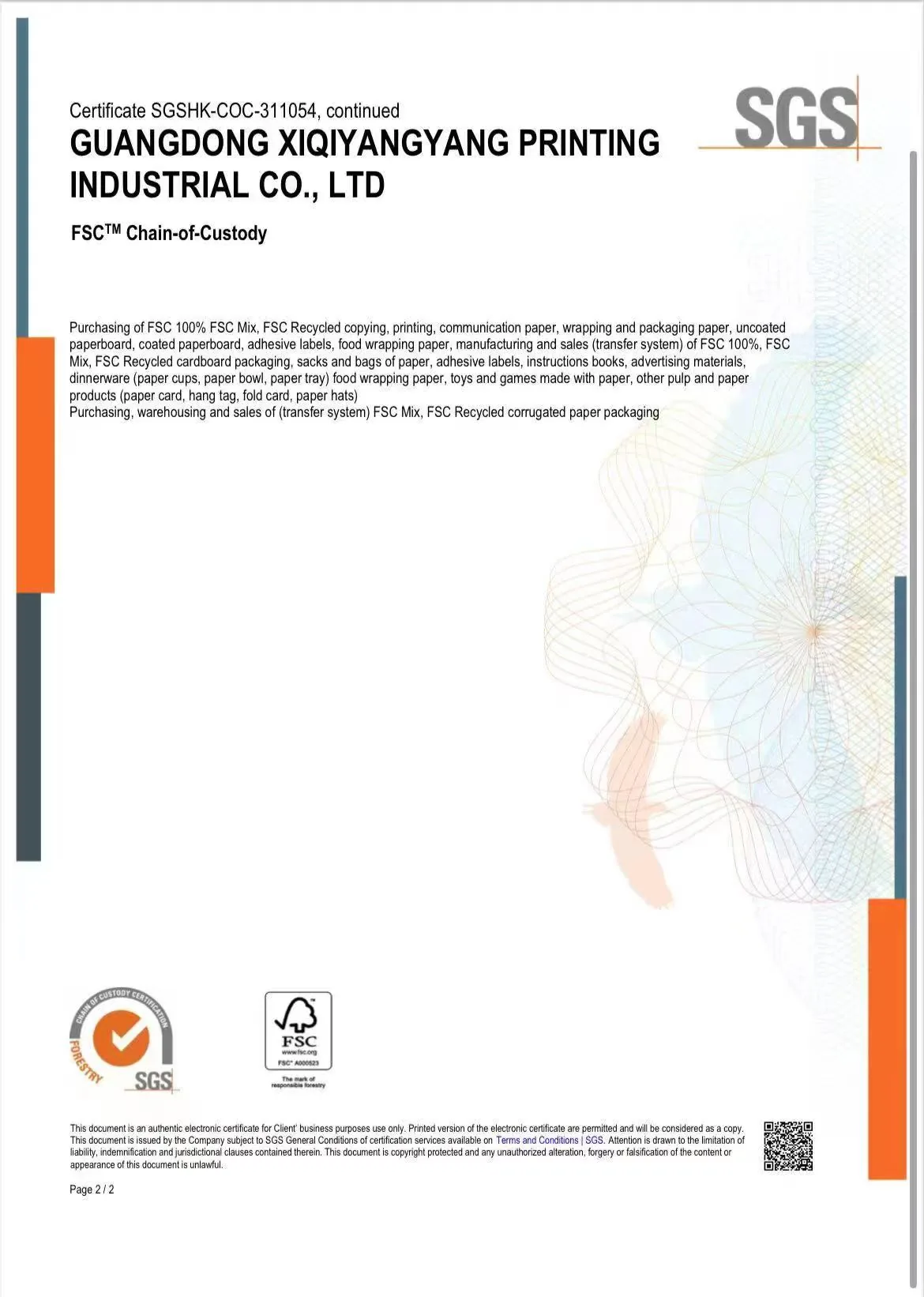
Identify applicable EU legislation, define manufacturer/importer/responsible-person roles, test the exact product where required, prepare technical documentation and declarations, and approve traceability, warnings and online-offer information.
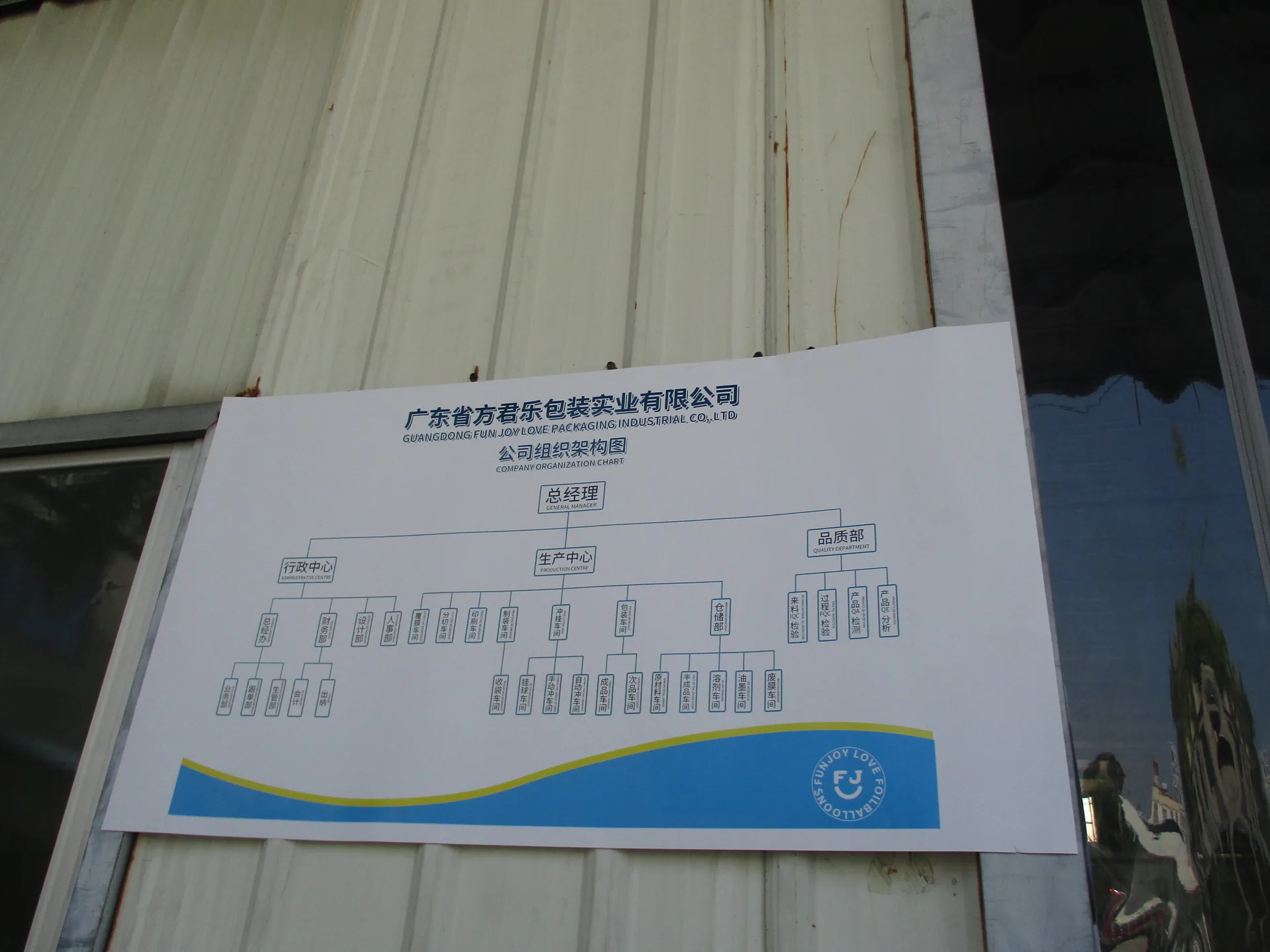
Certificates with different applicants, models, photos or expired dates should not support broad claims. LED or battery products may require additional electrical and EMC evaluation.
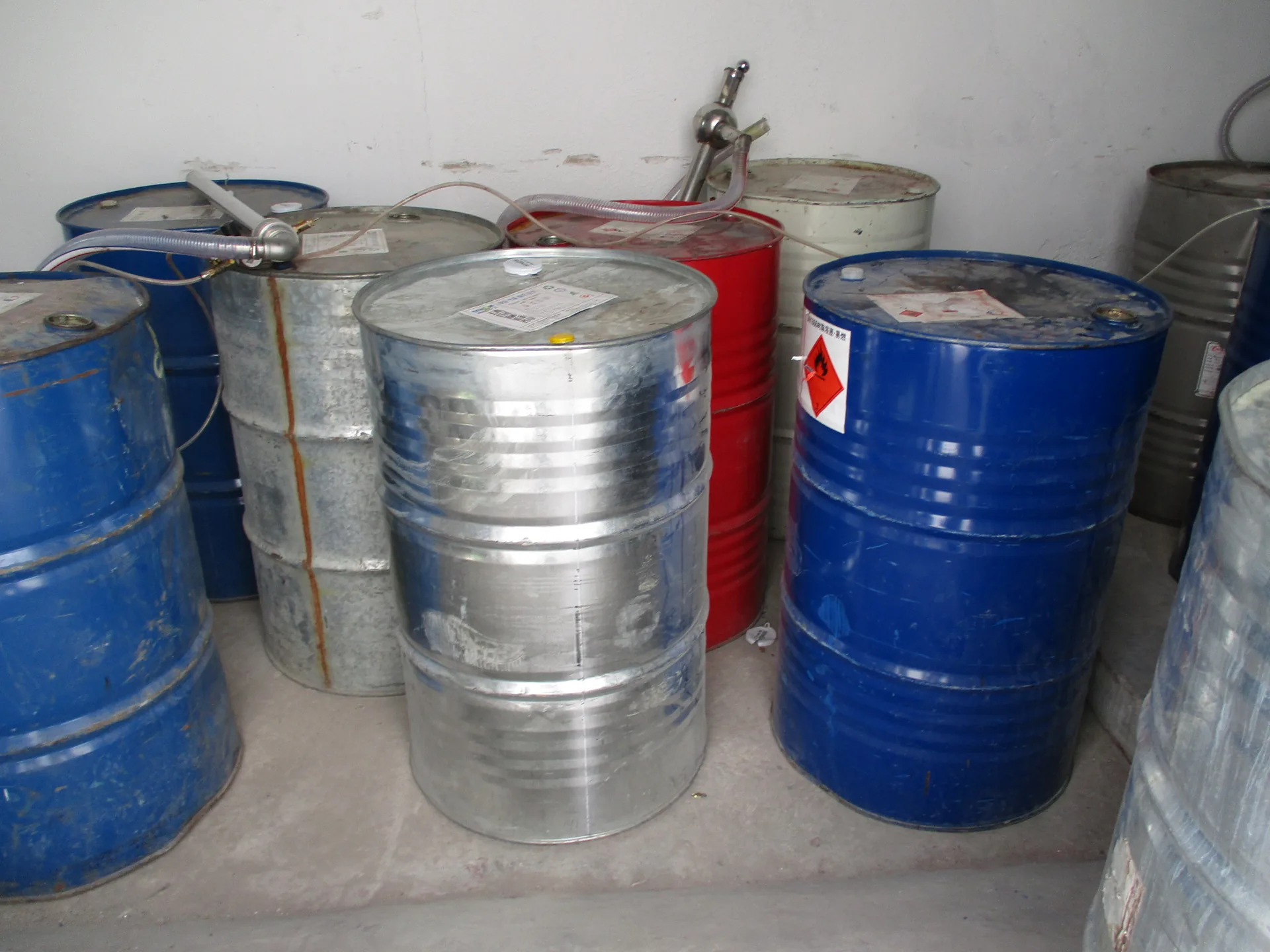
FoilJoy provides product and manufacturing records for the agreed SKU and supports document matching, while the responsible economic operator confirms the final market obligations.
Related guides: LED Bobo compliance · EU packaging guide · News hub. Review European Commission toy-market guidance for primary guidance.
Send product, artwork, quantity per design, market, packaging and delivery requirements.
No. It is a conformity marking under applicable EU legislation.
No. Scope depends on the tested sample and relevant differences.
It strengthens traceability, responsible-party and product-offer information obligations.