30-SKU foil balloon range balances evergreen demand, visible hero products and controlled tests. The goal is not thirty random designs, but a range that covers frequent occasions and can be replenished without excessive slow stock.
“I asked for one hundred SKUs. What I actually needed was thirty products that could survive the first reorder.”
Imagine a category manager opening a new party section. The easy move is to fill every hook with a different design. The harder—and smarter—move is to decide which balloons deserve opening stock, which ones need complete number or color coverage, which are seasonal tests and which should never consume a second purchase order.
FoilJoy approaches a range like a buyer, not a poster printer. We look at shelf roles, shared packaging, MOQ pressure, barcode control and replenishment before the launch becomes expensive. Thirty disciplined SKUs can tell a clearer retail story than one hundred random ones—and, more importantly, give the buyer a range that can actually be reordered.
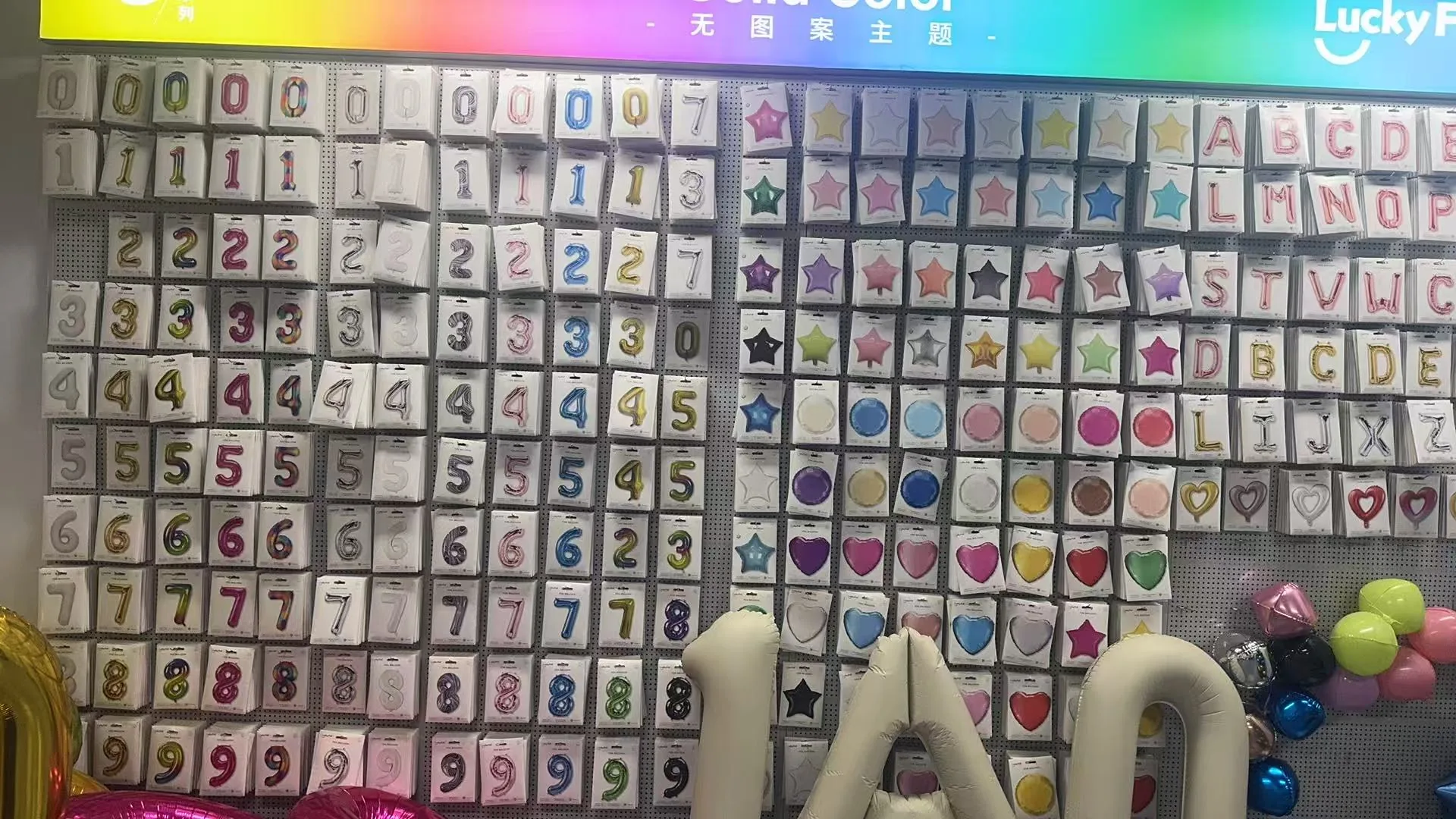
Allocate most SKUs to proven numbers, letters, hearts, stars and birthday messages; add seasonal heroes and a small test capsule. Measure sell-through by occasion, color, format and price band.
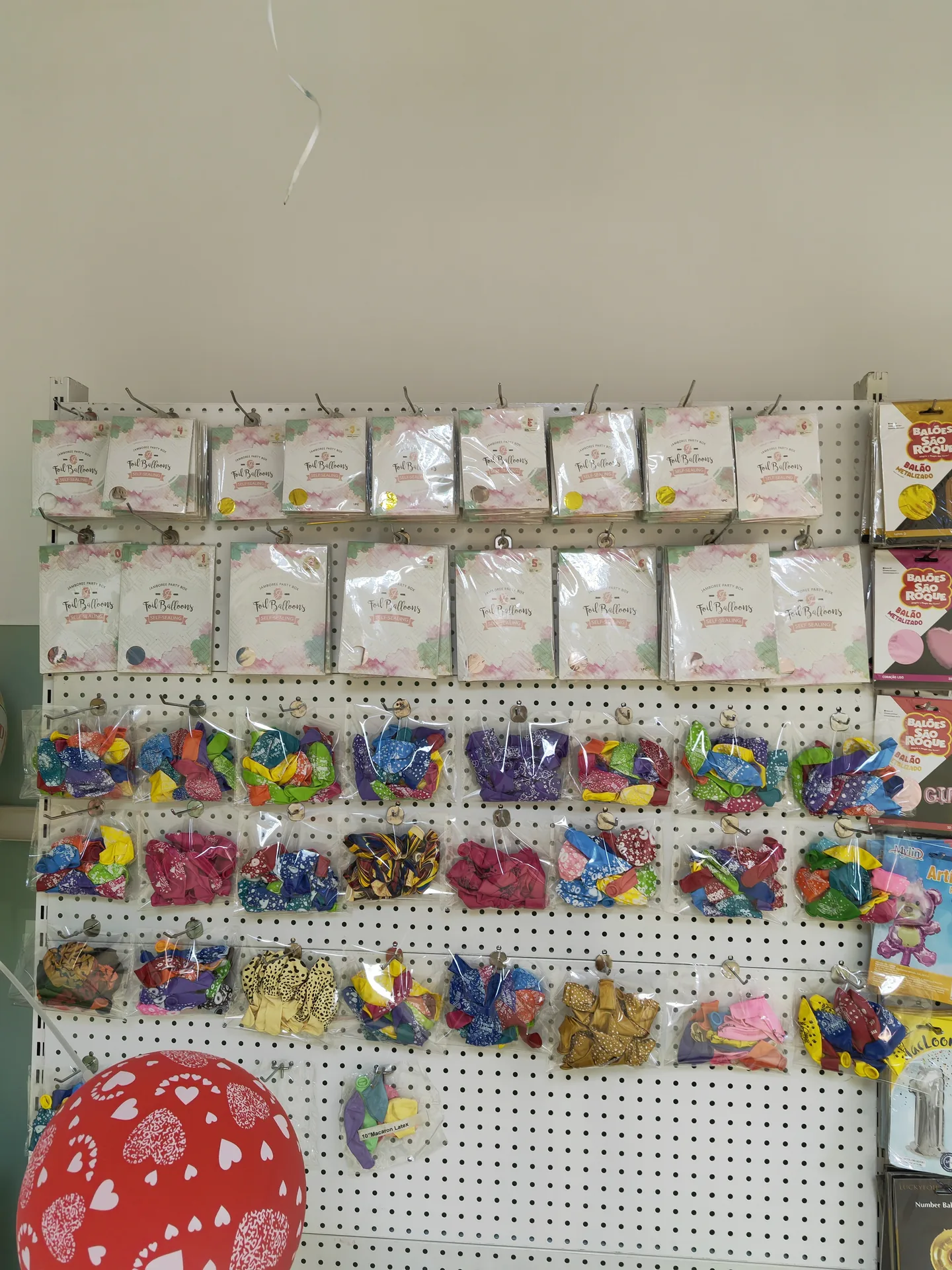
Too many visually similar SKUs fragment demand and collide with MOQ. A complete range also needs packaging consistency, barcode control and sufficient stock of fast numbers or colors.
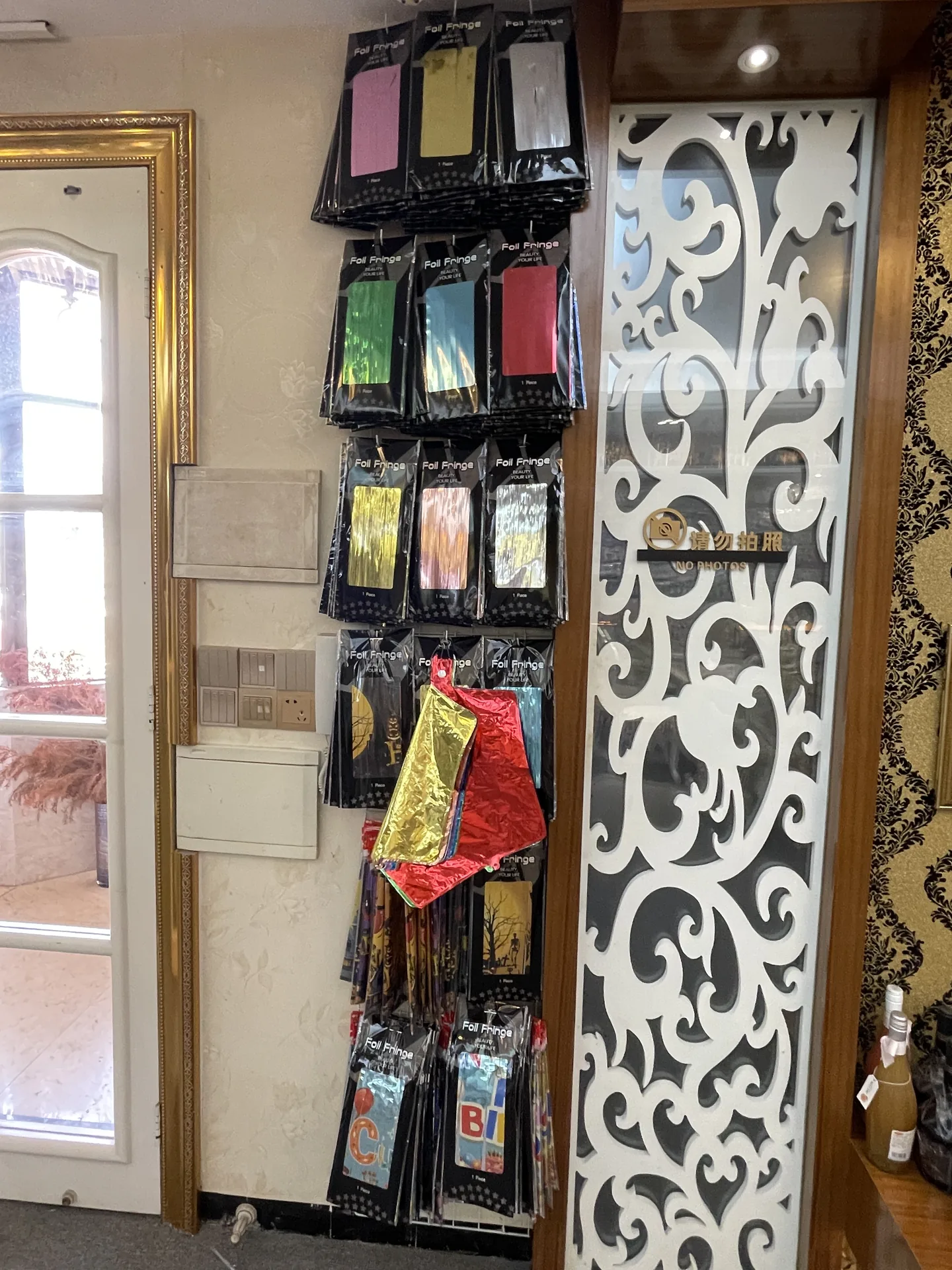
FoilJoy can help rationalize the assortment around shared constructions, a 5,000-piece-per-design starting point for fully custom items, and retail packaging options.
Related guides: 2027 buying calendar · MOQ guide · News hub. Review GS1 barcode implementation steps for primary guidance.
Send product, artwork, quantity per design, market, packaging and delivery requirements.
No. A range can combine proven products, private-label packaging and selected custom heroes.
Use shelf space and sales history; keep test exposure controlled.
Frequent occasions, complete number coverage and repeatable colors.