
best-selling foil balloon categories should be defined by each retailer’s transaction data, not universal internet rankings. However, numbers, birthday messages, hearts, stars and major seasonal occasions provide a practical starting architecture.
A buyer decision from the showroom floor
A wholesaler copied the most attractive designs from a supplier catalogue and called them best sellers. At the next buying meeting, the stores described a different pattern: evergreen numbers moved steadily, a few birthday messages peaked, and a decorative shape drew attention but turned slowly. The team compared use cases and reorder cadence before choosing depth by category. The story illustrates how retailers should evaluate best-selling foil balloon categories through their own channel data, not assume a universal ranking.
Illustrative scenario; not an actual customer case.
Focus on retailer category planning: birthdays, numbers, letters, hearts, seasonal party themes and accessories. Compare existing stock designs, changes to packaging only, and a fully custom foil balloon. Fully new FoilJoy designs require 5,000 pcs/design MOQ, with a factory production target of 10 days after final artwork and order approval; tooling, samples, freight, clearance and destination compliance are separate.
Related buying guide: 30-SKU retail assortment planning guide for the next sourcing decision.
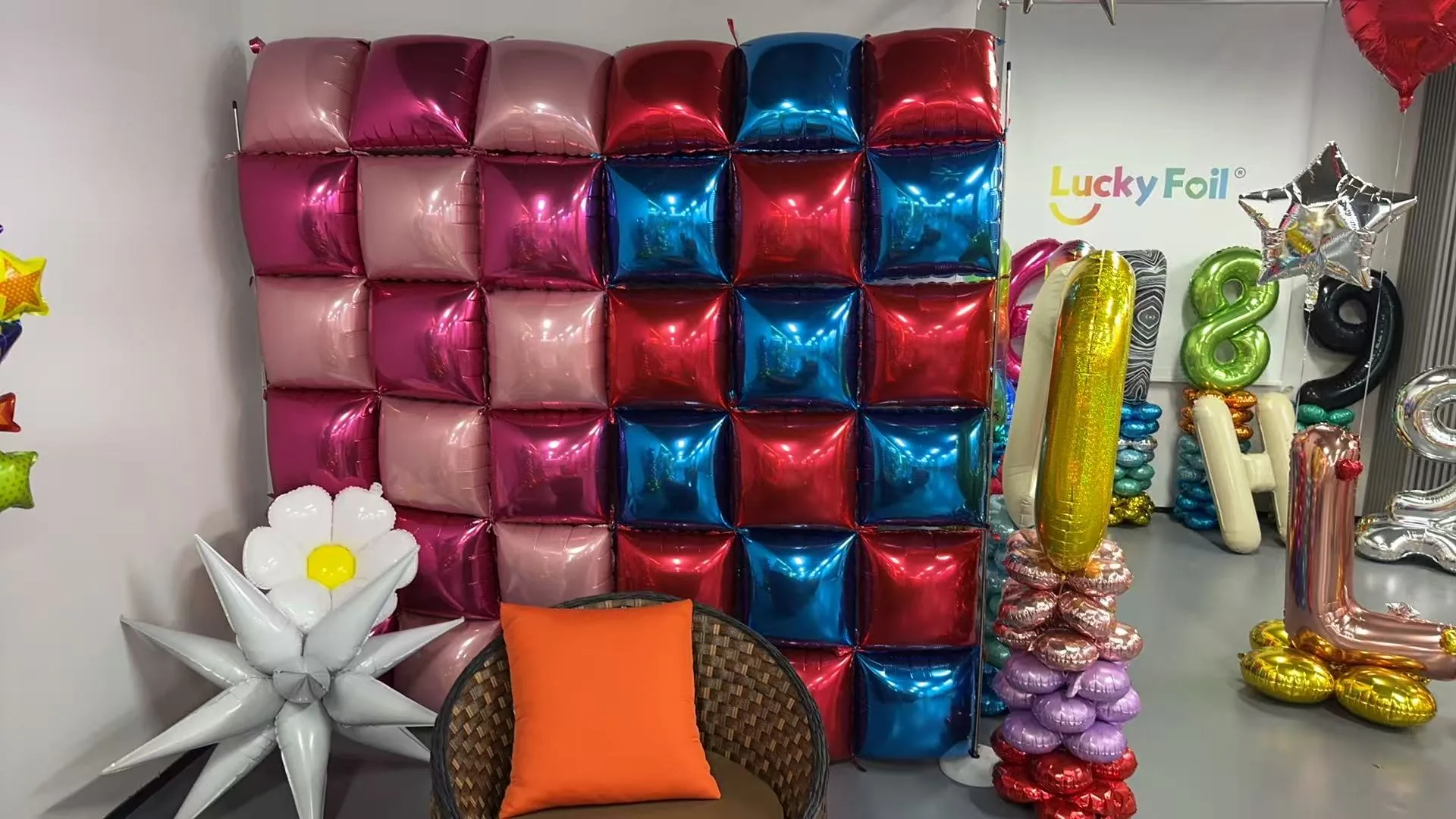
Build around evergreen jobs-to-be-done, then localize color, language, size and seasonality. Use category-level sales and SKU-level margin together, because a high-volume item can still perform poorly after freight, markdown and stockouts.
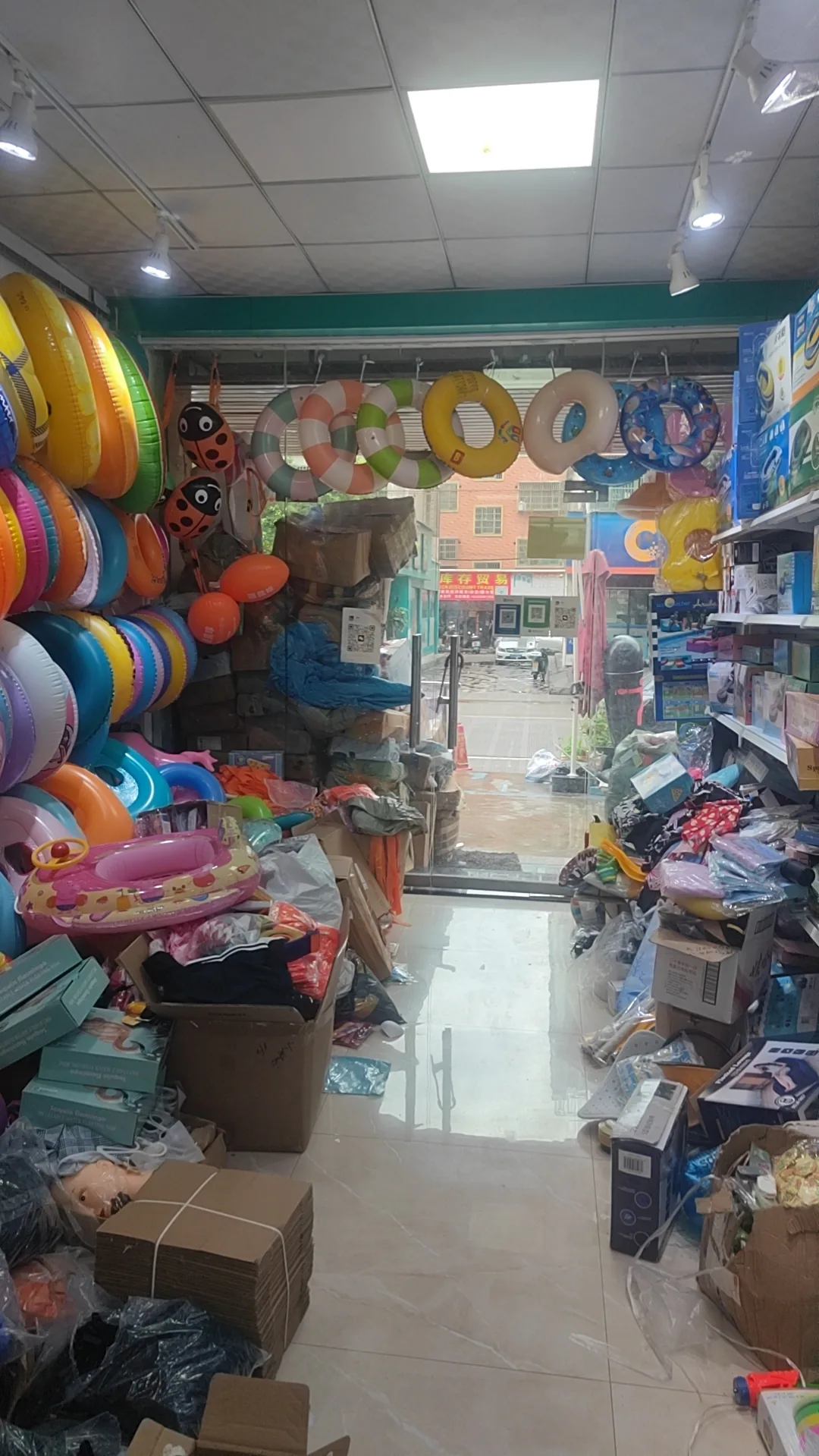
Global trend lists can mislead local assortments. Copyrighted characters, unsupported performance claims and too many color variants add risk without guaranteed demand.
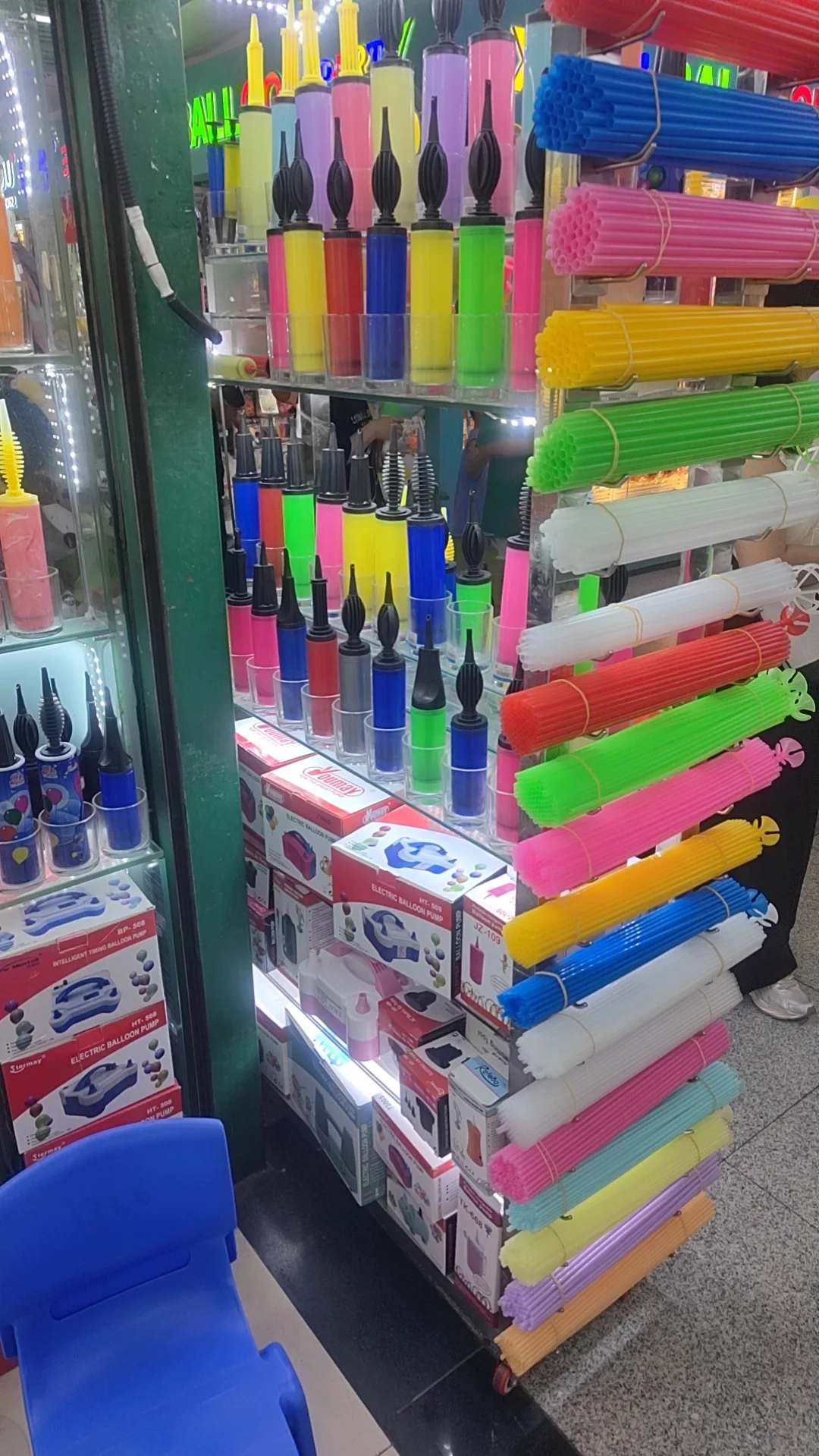
FoilJoy supplies numbers, letters, solid shapes, printed designs, custom projects and retail-ready packaging for professional buyers who need coherent ranges and repeat supply.
Related guides: 30-SKU range guide · number and letter guide · News hub. Review GS1 retail barcode standards for primary guidance.
Send product, artwork, quantity per design, market, packaging and delivery requirements.
Evergreen numbers, birthday, hearts and stars are practical starting points, but local data should decide.
Use competitors for gap analysis, then validate with your own customers and margins.
Review core availability continuously and conduct formal seasonal/category reviews several times per year.
Use sell-through and replenishment data from your own stores.
Numbers can be ongoing lines; motifs often need a defined campaign window.
Test local demand and price point before extending the range.
Review size, inflation method, packaging and whether helium lift is realistic.
Set a review date and reorder threshold before committing to new variants.