Sourcing & OEM/ODM
How to Source Custom Foil Balloons from China
To source custom foil balloons from China successfully, treat the project as a controlled manufacturing program—not a one-line price enquiry. The supplier must understand artwork engineering, film structure, sealing, valves, packaging, testing and export documentation.
A fast quote can feel efficient, but custom foil balloons contain decisions that a single unit price cannot explain: inflated size, shape feasibility, print coverage, valve position, material level, packaging, testing and destination-market requirements. If nobody asks those questions, somebody is usually making assumptions on the buyer’s behalf.
FoilJoy treats China sourcing as a controlled development process rather than a catalog transaction. We would rather slow down the first conversation enough to define the product correctly, then move faster through sampling and production. The cheapest mistake to fix is the one discovered before the factory starts making thousands of pieces.
1. Write a brief suppliers can actually quote
Start with selling country, balloon shape, inflated dimensions, printing coverage, color expectations, valve type, inflation method, pack format, order quantity per design and required delivery date. Separate “must have” requirements from optional ideas. If artwork is not final, share a clean reference and ask for a feasibility review before requesting a firm price.
2. Qualify the factory, not just the salesperson
Process evidence
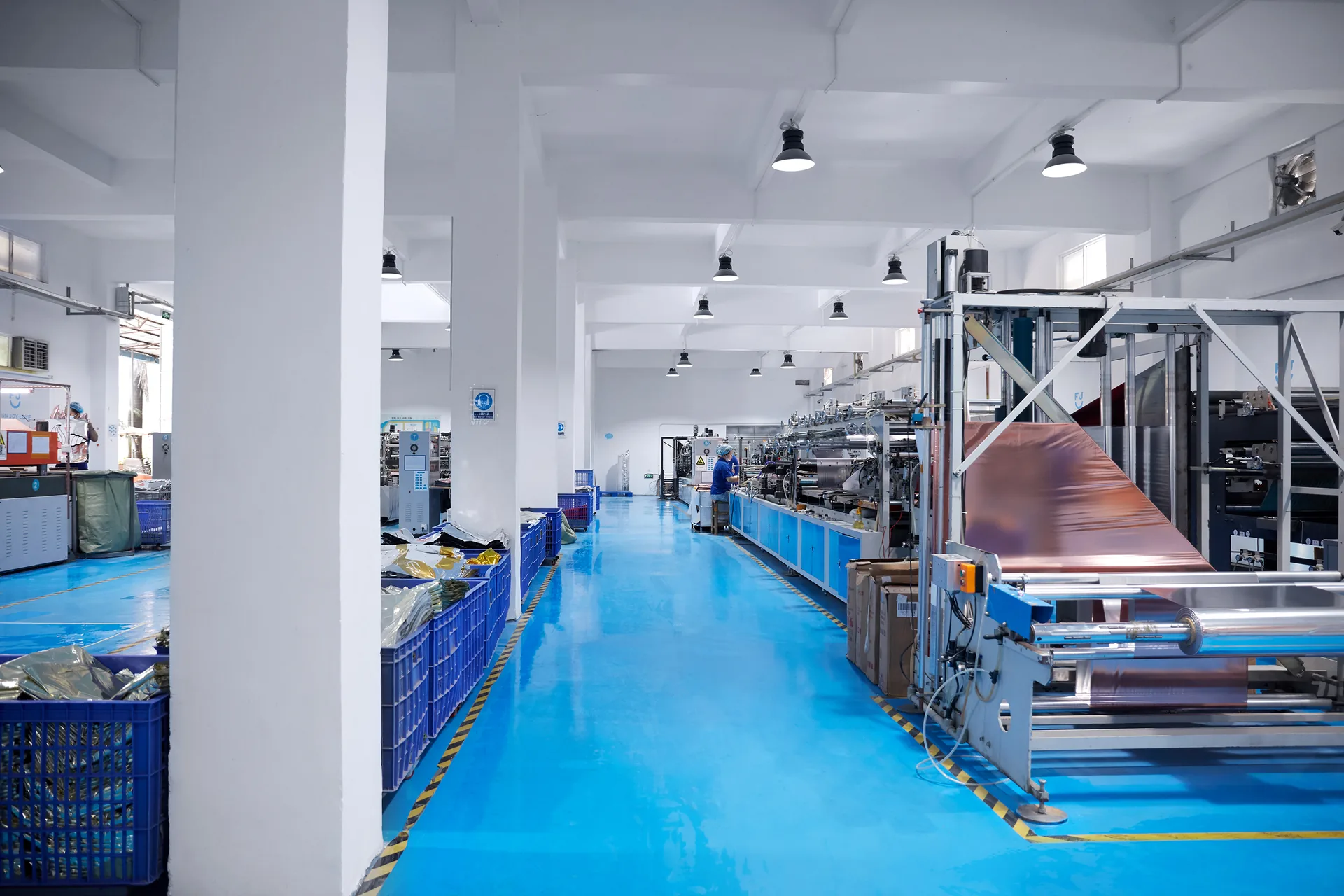
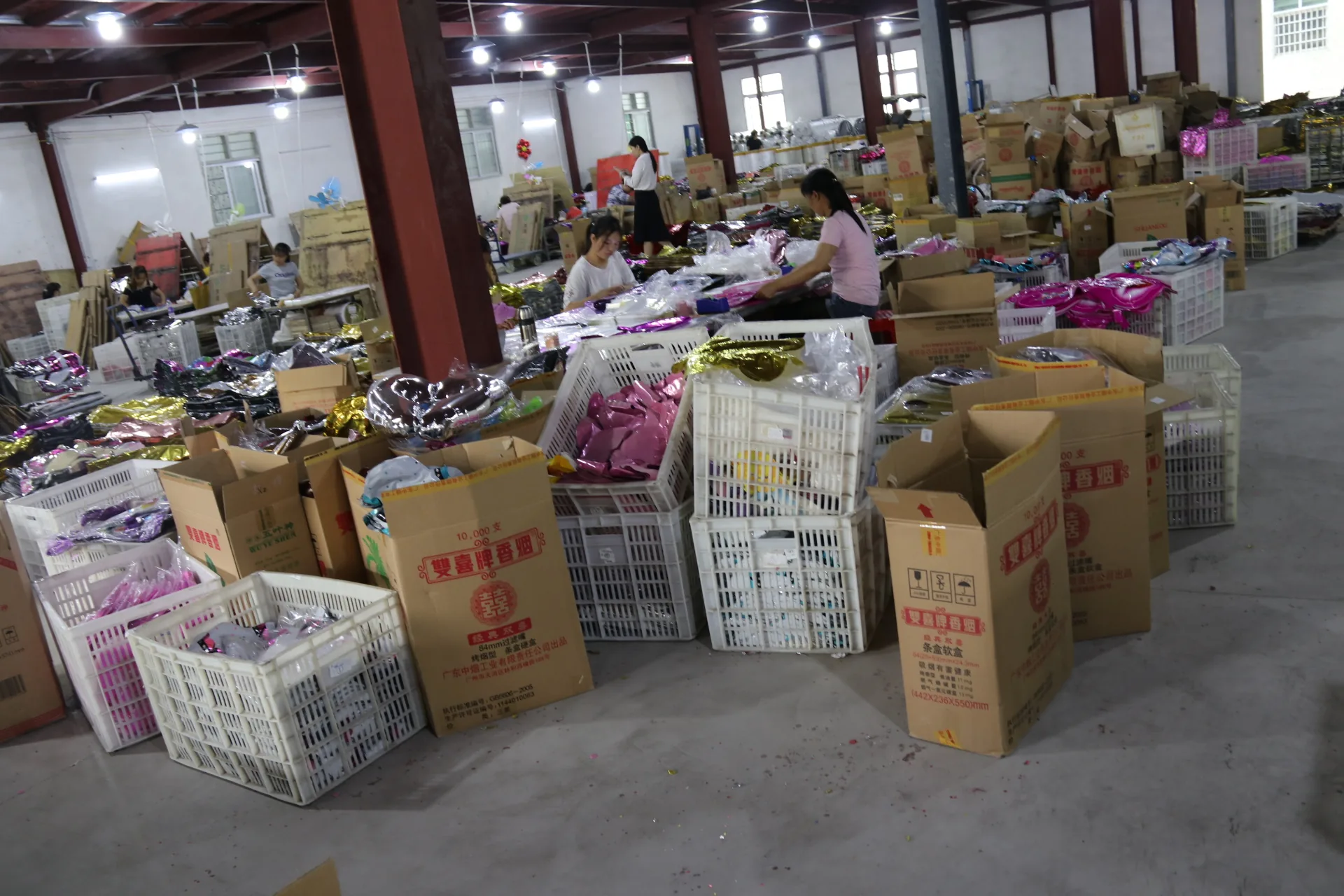
Ask who controls artwork adaptation, printing, lamination, cutting, valve placement, sealing, inflation checks and final packing. Request dated production photos or video for the relevant construction.
Quality ownership
Ask who approves first articles, how defects are classified, what is checked during production and what records are retained. A clear answer matters more than a generic “good quality” promise.
3. Use samples in two stages
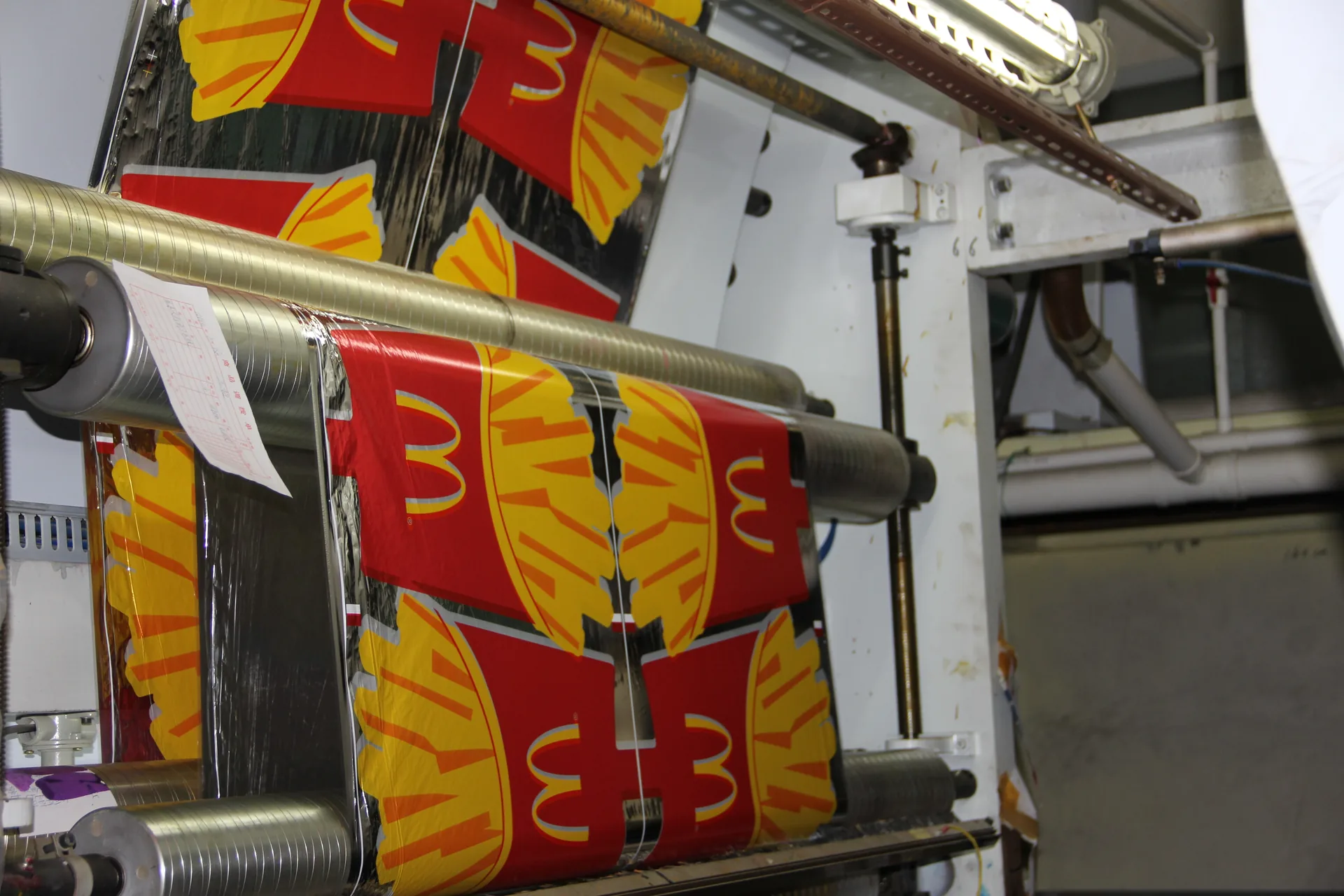
A reference sample proves approximate size and construction. A pre-production sample proves the actual artwork, trim, seams, valve position and packaging direction. Approve the sample in writing with annotated photos, a version number and date. For color-sensitive programs, define a physical color reference rather than relying only on different screens.
4. Compare quotations on equal terms
| Cost item | What to confirm |
|---|---|
| Balloon | Size basis, print coverage, number of designs and quantity per design |
| Tooling/setup | One-time or repeatable charges; what changes trigger a new charge |
| Packaging | Bag, card, insert, barcode label, carton quantity and carton marks |
| Testing/documents | Which market, which standard, sample count and laboratory scope |
| Freight | Incoterm, port, destination, chargeable volume and excluded fees |
5. Build compliance into the purchase order
Requirements depend on the market, product presentation and intended age. For the EU, review the European Commission’s guidance on placing toys on the EU market. For the US, consult the CPSC mandatory standards and bans. Your importer or compliance adviser should confirm the final scope; the factory should provide traceability and requested supporting records.
6. Control production with milestones
- Freeze artwork and specifications.
- Approve the physical or documented pre-production sample.
- Confirm packaging dielines and barcode ownership.
- Approve a production start notice and inspection plan.
- Review in-process evidence for critical steps.
- Release shipment only after final records meet the agreed criteria.
Common sourcing mistakes
Typical failures include buying on the lowest unit price, approving only a digital mock-up, leaving packaging until the end, mixing many designs without confirming per-design MOQ, and treating “inspection” as a vague promise. FoilJoy’s value is coordination: engineering, printing, packaging and quality decisions are connected under one commercial project.
Turn the brief into a production-ready quote
Send FoilJoy your target market, balloon size, artwork, quantity, packaging and delivery window. Our factory-side team will review feasibility, flag avoidable risks and build a practical quotation for sourcing custom foil balloons from China.
Continue your buying research
- Custom foil balloon manufacturer buyer checklist
- See FoilJoy’s OEM factory capabilities
- Review product and packaging options
- Plan accessories and compliance
Explore the FoilJoy News & Buyer Insights hub for more sourcing, packaging and quality-control guides.
FAQ
What information is needed for a quote?
Send artwork or references, inflated size, quantity per design, target market, packaging, destination and required delivery window.
Should I request a factory sample?
Yes. Approve construction and then the production-intent version before bulk manufacturing.
Can a supplier handle retail packaging?
Yes, but define card, bag, insert, barcode, warnings and carton requirements in the same specification.
Who owns compliance responsibility?
Legal roles vary by market. Importers should confirm obligations with qualified advisers while requiring factory records and traceability.