Direct answer: A qualified custom foil balloon manufacturer should be able to show how artwork becomes an inflatable structure, how seal zones and valve positions are validated, how printed samples are approved, how leakage and appearance are checked, and how retail packaging is controlled before shipment.
That is usually the moment a buyer stops comparing factory photos and starts comparing engineering discipline. A custom balloon manufacturer is not simply a printer with a sealing machine. The real job is to convert a flat idea into a repeatable inflatable product, then control color, sealing, leakage, packaging and batch consistency when production scales up.
FoilJoy believes a supplier should be able to explain the path from artwork to carton clearly enough that the buyer can see where quality is controlled. The strongest manufacturer is not the one that says yes fastest. It is the one that can show why the design is feasible, how the sample will be validated and how the approved result will be protected in mass production.
For importers, distributors and private-label buyers, choosing a supplier is not only a price comparison. The real decision is whether the factory can convert a flat graphic into a balloon that inflates correctly, looks consistent across production and arrives as a retail-ready SKU.
Custom foil balloon manufacturer buyer decision table
| Check | What to ask | Why it matters |
|---|---|---|
| Artwork engineering | Will you review bleed, seal zones, valve position and inflation distortion? | Flat artwork changes after inflation, especially around curves and sealed edges. |
| Shape feasibility | Can this silhouette hold enough gas and avoid narrow stress points? | Not every attractive outline is suitable for stable inflation or helium lift. |
| Material structure | Which laminate and thickness are proposed for this use? | Barrier performance, toughness and heat sealing affect the finished balloon. |
| Sampling | What sample will I approve before bulk production? | Structure, print, color and packaging should be approved before mass production. |
| Production QC | How are print registration, seal quality, valves and leakage checked? | These are frequent factory-side failure points that cannot be judged from artwork alone. |
| Retail packaging | Can the supplier manage barcode, warnings, card, OPP or envelope packaging? | Packaging is part of the sellable SKU, not a last-minute accessory. |
| Buyer documents | Which reports apply to this exact product, model and destination market? | A report for one sample or electrical component should not be assumed to cover every balloon. |
1. Start with engineering, not only artwork
A balloon design is a three-dimensional inflatable product made from two-dimensional film. Before quoting, the supplier should review the usable gas chamber, narrow bridges, sharp corners, inflation neck, valve position, hanging tabs and the distance between important graphics and the heat-seal edge.
Check vector files, dimensions, colors, bleed and key visual areas.
Adjust curves, narrow sections, gas flow and seal geometry.
Confirm inflated appearance, printing, valve and packaging before bulk.
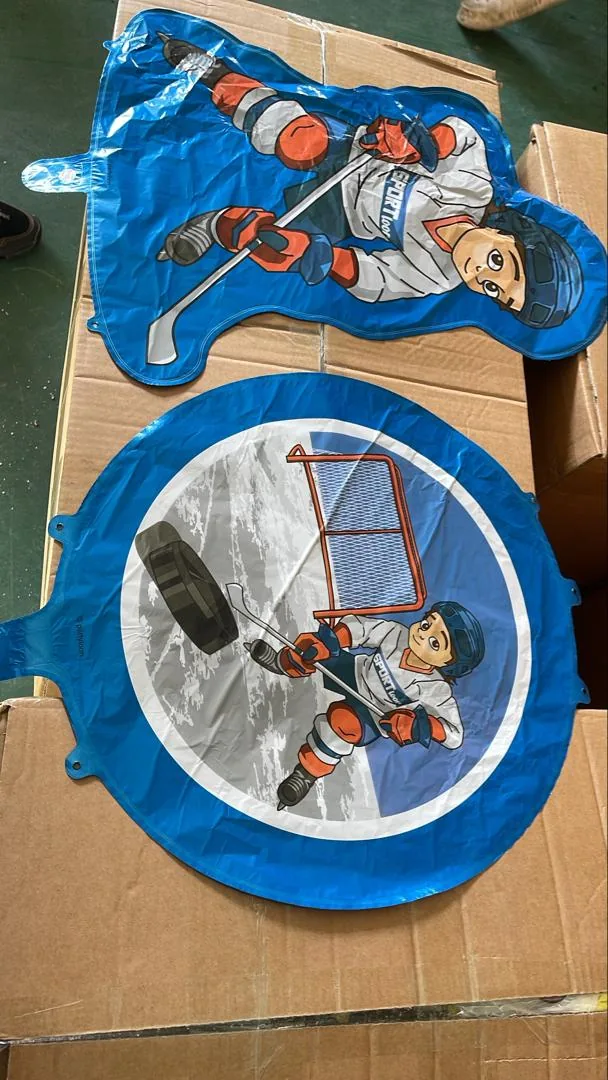
A design may look perfect on screen but still produce poor inflation when a limb, letter stroke or decorative section is too narrow. A capable factory should explain the risk and recommend a production-ready adjustment instead of simply accepting the original outline.
2. Define exactly what the sample approves
“Sample approved” should not be vague. Buyers should identify whether approval covers the structure, printed colors, front and back artwork, inflated dimensions, valve placement, accessories and the complete retail pack.
For a multi-SKU range, one approved design does not automatically prove every number, letter, size or color. Similar products can still have different gas volume, artwork distortion, plate alignment or packing requirements.
3. Ask for a practical QC plan
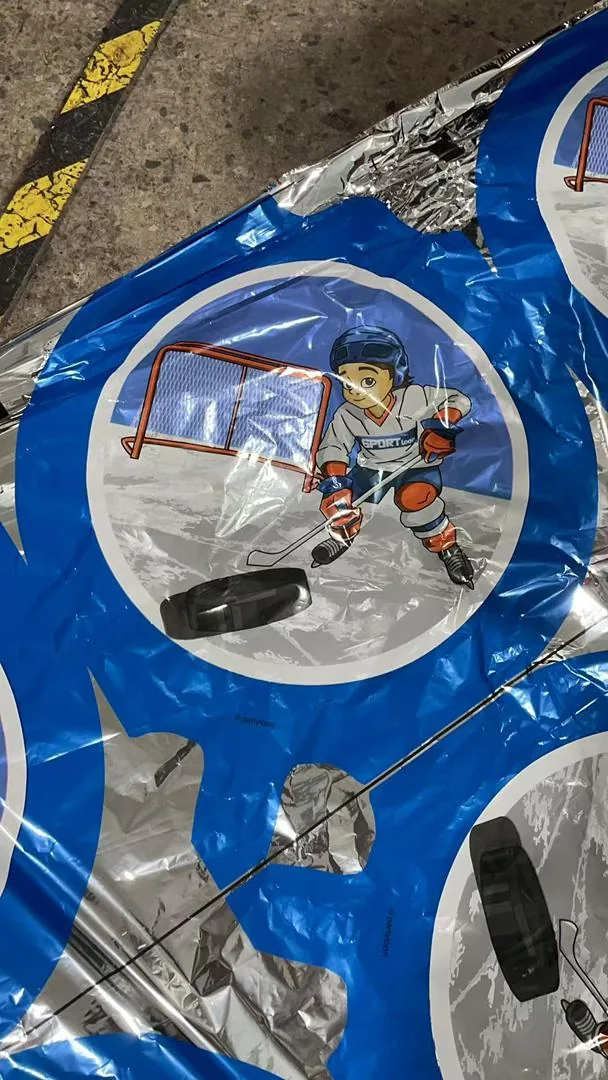
A useful QC discussion covers measurable checkpoints rather than a general promise of “good quality.” Ask the custom foil balloon manufacturer to explain what is checked during printing, sealing, inflation testing and packing.
- Print registration: front and back artwork alignment, text clarity and image position.
- Seal integrity: continuous heat-seal lines without gaps, wrinkles or burned film.
- Valve position: correct placement and unobstructed inflation path.
- Leakage: inflation or retention checks using the agreed sampling method.
- Appearance: scratches, ink transfer, color variation and contamination.
- Packing: correct SKU, card, barcode, warning copy, quantity and carton mark.
4. Treat packaging as part of product development
The same balloon can be sold in a simple OPP bag, with a single card, inside a folded card pack or in an envelope-style package. The best option depends on shelf display, product visibility, instruction space, barcode position, warning requirements, target retail price and packing efficiency.
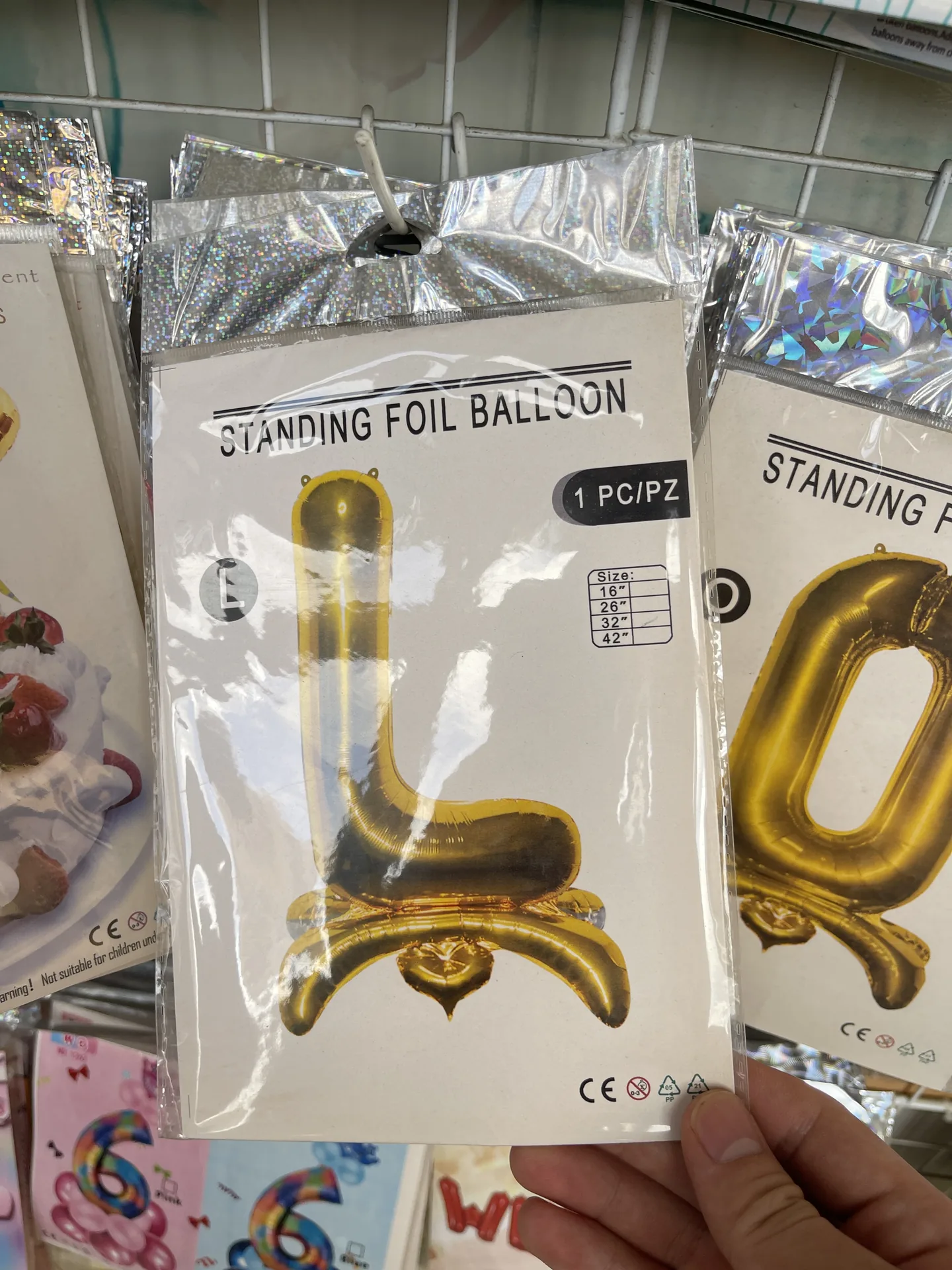
Provide the factory with the required pack style, card size, material, printing sides, hanging-hole format, barcode data and language requirements before final pricing. Late packaging changes can affect unit cost, carton size and production timing.
5. Verify compliance by exact product and market
Do not accept a certificate list without checking scope. Ask for the report number, tested product, model or sample description, applicable standard, issue date and any stated limitation. Electrical accessories, battery boxes or LED components may require documents different from a non-electrical foil balloon.
FoilJoy’s available files include product-specific reports, and their wording confirms that results apply to the particular samples and tests identified. Buyers should therefore match documents to the actual SKU and intended market instead of treating one report as universal coverage.
For official background, the European Commission explains that importers may place only compliant toys on the EU market and must verify required manufacturer steps in its guidance on placing toys on the EU market. For the United States, the CPSC provides separate guidance on small-parts and choking-hazard labeling. The buyer remains responsible for confirming the rules that apply to the product and sales channel.
6. Information to send before requesting a quote
- Final or preliminary vector artwork.
- Target flat size and desired inflated appearance.
- Air-filled or helium-filled use.
- Quantity per design, color and size.
- Packaging format, barcode and language requirements.
- Destination country or market.
- Required testing, buyer documents and retailer specifications.
- Target approval and delivery schedule.
For fully custom foil balloon development, FoilJoy’s standard starting MOQ is 5,000 pcs per design. A complete brief allows the engineering and packaging teams to review feasibility before the buyer invests in production.
Common supplier-selection risks
- Artwork or text placed too close to the heat-seal zone.
- Very narrow sections that restrict gas flow or create stress.
- Too little effective gas volume for the intended helium performance.
- Packaging designed only after balloon production has started.
- Barcode, warnings or languages not matched to the destination market.
- Certificates presented without confirming the tested sample and report scope.
- Assuming one approved sample covers an entire multi-SKU range.
Buyer checklist before placing an order
- Production-ready artwork and agreed color reference.
- Confirmed balloon dimensions, structure and valve position.
- Signed or written sample approval covering the correct attributes.
- Agreed QC checkpoints and inspection method.
- Final packaging artwork, barcode, warnings and carton marks.
- Documents verified for the exact product and destination market.
- Confirmed quantity, production timing, shipping terms and approval dates.
Frequently asked questions
What is the MOQ for a fully custom foil balloon?
FoilJoy’s standard MOQ for a fully custom design is 5,000 pcs per design. Quantities should be confirmed separately for each design, size and packaging configuration.
Can every logo or character become a helium balloon?
No. Very narrow shapes, low gas volume and disconnected-looking sections may need structural adjustment. The factory should review the outline before confirming helium suitability.
What files should a buyer provide?
Vector artwork is preferred, together with size, quantity, colors, packaging requirements, destination market and air-or-helium use. Preliminary artwork can be reviewed before final files are prepared.
Should packaging be approved before production?
Yes. Card size, bag type, barcode, warnings, languages and carton configuration can affect cost and lead time, so the complete pack should be approved before mass packing.
Does one EN 71 or CE document cover every balloon?
Not automatically. Check the report’s product name, sample or model, test standards, dates and limitations. Documents must be matched to the exact SKU and destination market.
What should a pre-production sample confirm?
It should confirm the agreed structure, inflation appearance, print registration, color, valve position, accessories and retail packaging. The approval scope should be written down.
Planning a custom foil balloon project?
Send your artwork, target size, quantity, packaging preference and destination market. FoilJoy will review production feasibility and the information needed for a practical quotation.
Ready to shortlist FoilJoy?
Send your artwork, target market, quantity per design, packaging and delivery window. Our factory-side team will review the project and give you a practical next step.